Search Results
275 results for “heating”

What to Do When Your Cat’s Temperature Drops to 37°C
A normal cat temperature sits between 38.5°C and 39.5°C, so a reading of 37°C is below the healthy range and worth taking seriously. The right response depends entirely on the cause. Sometimes it signals a weak or sick cat that needs warmth and a vet; other times it is a normal, expected dip just before labor. Here is how to tell the difference.
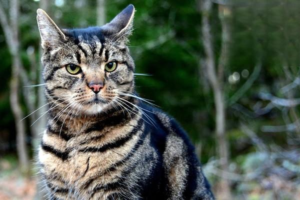
Why Does a Siamese Cat’s Fur Turn Black?
A Siamese cat's coat darkens for a reason that has nothing to do with sunlight: it is driven by temperature. These cats carry a variant of the TYR gene that limits production of the enzyme tyrosinase, which only works properly in cooler areas of the body. As the weather turns cold, the points, face, and ears grow darker, sometimes leaving a near-black 'mask.' The change is largely genetic and cannot be reversed, but keeping the cat warm and limiting iron-rich foods such as liver can slow the process. This article explains the science and what owners can realistically do.

Why Is Your Dog Drooling So Much?
A dog that drools a lot is not always just greedy. Drooling has many causes, and often it is a signal of illness worth noting. It may be dental problems or teething, a throat obstruction or injury, fear and anxiety, overheating, old age, or even car sickness. Most drooling is normal behavior, but if disease is suspected, see a vet.
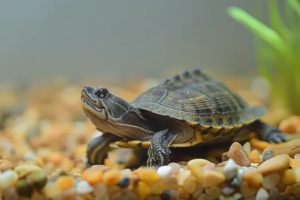
What to Do After Your Yellow-Margined Box Turtle Lays Eggs
After a yellow-margined box turtle lays eggs, move them to an incubator with the right conditions. Manage temperature and humidity carefully: aim for 25 to 30°C overall, with humidity near 65% in the first 25 days, 70% in the middle period (days 26 to 50), and 80% later (days 55 to 75). Also check that the eggs' air pores stay clear—blocked ventilation can stop development or kill the embryo. This article walks through the incubation care that helps your eggs hatch in about two to three months.

Supplies to Prepare for a New Cat
Bringing a cat home means getting its eat, drink, and litter needs sorted first. Kittens may need goat's-milk or lactose-free formula, a bottle, and a needle-free syringe for feeding. Every cat needs two bowls (water and food) and a natural-quality kibble — cheap food leaves cats hungry and unwell. Plan one litter box per cat with low-dust clumping litter. Then add grooming and health items: hairball paste or cat grass, a brush, nail clippers, basic supplements, dewormer, eye drops, and a toothbrush. Toys, a scratch post, a warm bed, and a cat tree round it out.

Do Rabbits Need to Hibernate?
Rabbits do not hibernate. As warm-blooded animals, they regulate their own body temperature and stay active through winter. That said, they still feel the cold despite their thick fur, so owners must provide warmth and shelter when temperatures drop. Moving the hutch indoors, sealing drafts, lining the cage, and adding soft bedding all help prevent chilling. Adjusting the diet with extra food and higher-calorie items supports their increased winter energy needs. This article explains why rabbits skip hibernation and how to keep them safe in cold weather.
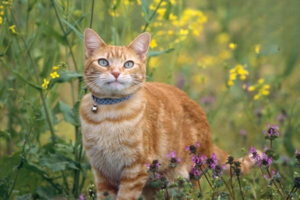
Everyday Flea Prevention and Care for Cat Households
Spring and summer are peak parasite season, and fleas are a common nuisance for cat owners. A cat that scratches constantly may have fleas, mites, allergies, or ringworm — confirm with a Wood's lamp, hair exam, or the classic 'damp tissue test' where flea dirt turns red. These tiny jumpers can produce 250,000 offspring a month, so prevention matters: vacuum cracks and gaps, comb with a flea comb twice weekly, hot-wash bedding, and keep the home dry (fleas like 18–27°C, ~75% humidity). If infected, use monthly topical prevention, treat inflamed skin, and watch for tapeworms passed via fleas.

Why Cats Love the Fire in Winter (and How to Keep Them Safe)
Cats seek warmth because their normal temperature runs higher than ours and, with fewer heat-sensing neurons, they feel cold more and heat less, so they bask and curl by heaters. But fur has few pain receptors, so a cat can singe its coat without noticing. Keep heaters behind a guard and never leave a cat alone with one; choose well-insulated, heated, or warm-material beds and turn off devices when unsupervised.

Essential Tips for Raising Healthy Rabbits
Rabbits are sensitive to their environment, and getting temperature, humidity, feed variety, and nighttime feeding right is essential to keeping them healthy. Their thick coat and weak sweat glands make it hard to release heat, so rabbits tolerate cold better than heat; a stuffy, humid hutch quickly leads to illness. Aim for about 20-27C, keep bedding dry, offer a varied diet instead of a single feed, and provide plenty of hay at night when rabbits are most active. These basics help prevent disease and support steady growth.

Summer Care Tips for Hamsters
Hamsters have weak immunity and get sick easily with temperature swings, so summer care must cool them without letting them catch cold. Place the cage in a shady, airy spot with cooling mats, and if you use air conditioning keep it around 27°C with paper cotton for warmth, or use a fan that does not blow directly on the pet. Keep the diet light: normal hamster mix plus cooling foods like mung beans, watermelon, cucumber, or a little chamomile water, and always provide fresh water changed daily. Clean the cage and change bedding twice a week to limit bacteria.