Search Results
481 results for “heat stroke”

Disseminated Intravascular Coagulation (DIC) in Dogs and Cats: Symptoms, Treatment, and Prevention
Disseminated intravascular coagulation (DIC) is a body-wide clotting crisis triggered by severe illness, poisoning, or immune failure, in which clots form and consume factors, then bleeding begins. It is a medical emergency treated by resolving the underlying disease plus transfusion and anticoagulation.

Diseases with Symptoms Similar to Feline Liver Failure
Liver failure is an abnormality that occurs when the liver is affected by impaired blood flow, reduced oxygen supply, hepatotoxic drugs or chemicals, excess heat, or infectious agents. Liver failure can occur in dogs and cats of all ages and breeds. It may affect multiple organ systems, including the liver and gallbladder, nervous system, gastrointestinal tract, and blood system. Affected pets may show various symptoms, including anorexia, lethargy, depression, vomiting, diarrhea, seizures, abdominal fluid accumulation, bleeding, and jaundice (yellowing of the skin).
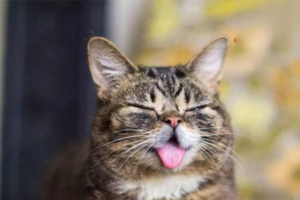
Is It Normal for a Cat to Stick Its Tongue Out Often?
A cat with its tongue out is often just adorable — and usually harmless, from a grooming interruption, a short chin, heat, or post-play panting. But frequent tongue-out with drooling, bad breath, or heavy breathing after little exercise can signal mouth disease (stomatitis, periodontal disease) or heart/lung trouble and warrants a vet check.

Places You Should Never Leave Your Dog Alone
Several spots are dangerous to leave a dog alone: balconies (heat, cold, falls), sealed storage rooms (poor air, falling objects), near electrical rooms (urination hazards), bathrooms (toxic products), and cars (rapid heatstroke and suffocation). When in doubt, leave the dog safely at home.

Common Illnesses Dogs Face in Summer
Summer raises a dog's risk of heart trouble, colds, skin pests, gut disease, and heatstroke, with flat-faced and senior dogs most vulnerable. Keep exercise moderate, food fresh, parasites controlled, and never let a dog bake in the heat.

How Weather Affects Your Cat’s Mood and Health
Cats feel weather as keenly as people do, storms, cold, heat, and humidity all shift their mood and health. Watch for heatstroke and hypothermia in extremes, and keep the home between 20 and 25 C with sun, warmth, and steady routine.

What You Should Know About Vomiting in Cats and Dogs
Vomiting in pets splits into physiologic, from eating too fast or wrong food, and pathologic, from disease. Causes range from diet and gut issues to toxins and organ disease, and the timing of vomiting hints at the source, so see a vet when signs persist.

Eight Key Care Points for Pet Parrots
Eight care points keep a pet parrot healthy: disinfect the cage and perches often and keep them dry, avoid dirty or unsuitable food, prepare the diet without oil or seasoning and cool cooked food to room temperature, wash fruit and vegetables in a salt-and-lemon soak, hold a steady aviary temperature, clip wings sensibly to prevent escape, guard against heat (over 37°C can be fatal), and train regular, timed feeding.

Can Dogs Be Calcium-Deficient, and How to Supplement
Dogs can absolutely be calcium-deficient — it shows as rickets and double rows of teeth in puppies, weak legs and joint swelling in adults, brittle bones in seniors, and postpartum tetany in nursing mothers. Fix it with calcium-rich food or supplements plus gut support and sunlight, but avoid overdoing it; a blood test or vet check tells you how much to give.

What to Do When a Cat Is Sleepy and Lethargic, and Signs of Illness
Lethargy after vaccination is usually a brief, harmless reaction, but disease can also cause it. If the cat still eats and acts normal when awake, it is likely fine; if appetite drops with low energy, see a vet. Other warning signs include vomiting, diarrhea, eye/nose discharge, drinking trouble, ear scratching, and skin itching.