Search Results
32 results for “heat stress in rabbits”

Key Points for Managing Breeding Buck Rabbits
Breeding bucks need stricter management, because herd reproduction and quality depend on buck quality. Below are some management points we offer to help rabbit farmers.

What Are a Rabbit’s Stress Responses?
Rabbits are timid and startle easily; severe stress can even kill. This guide covers the signs and the environmental triggers — noise, temperature, humidity, light — owners must control.

Causes and Prevention of Urinary Stones in Rabbits
The leading cause of urinary stones in rabbits is insufficient water intake, with excess calcium and individual predisposition also playing a role. This guide covers the symptoms, underlying causes, and how to manage and prevent the condition.

Are Rabbits Sensitive to Cold or Heat? Their Ideal Environment
Rabbits dislike both cold and heat: warm them in winter and cool them in summer. This guide explains their cold and heat tolerance and the ideal temperature, humidity, ventilation, and light for a healthy home.

How to Prevent Heatstroke in Pet Rabbits During Summer
Rabbits sweat poorly and overheat easily, so summer heatstroke can be fatal. Prevent it with shade (black mesh, awnings, whitewashed walls), ventilation, lower stocking density (~10 rabbits per m²), sprinkling water, ample cool drinking water with 1% salt or vitamin C, and cooling foods like watermelon rind and cucumber, plus electrolyte-glucose supplements.

Rabbit Stress: Causes, Signs, and How to Avoid It
Rabbits are timid and sharp-eared, so strong or repeated shocks can stress them severely, even fatally. Causes include changed water or feed, weather, noise, light, moves, and strangers; signs are raised pulse and breathing, restlessness or hiding, refusing food, and does crushing or rejecting kits. Avoid stress with steady routines, fixed light, temperature control, quiet, and gradual feed changes.
Caring for Rabbits in Summer
Summer's heat makes rabbits harder to keep healthy, without care they risk heatstroke, nutritional disease, and infection, so managing nutrition is key. Offer cooling feeds like bitter melon or watermelon rind to ease heat stress and lift appetite. Probiotic supplements help prevent digestive illness, calm heat stress, and cut hut odor and respiratory risk. Although heat lowers intake, don't cut energy too far; add fat to keep energy steady. Above all, always provide free access to fresh water.
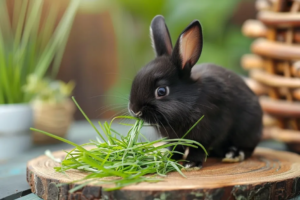
Rabbit Hairball Syndrome: Symptoms and Prevention
Hairball syndrome can badly hurt or even kill a rabbit, but timely treatment limits harm. Know the symptoms to act fast. Here are the signs and care.

How to Tell a Male Rabbit from a Female
Learning a rabbit's sex is essential; the sexes differ in habits. This article teaches how to sex rabbits and their living habits.

Why Spay or Neuter Your Rabbit? The Benefits of Rabbit Neutering
Neutering your pet rabbit limits unwanted breeding and lowers the risk of reproductive diseases such as pyometra in females and testicular cancer in males. Here is a detailed look at the benefits of rabbit neutering.