Search Results
290 results for “heat period”

Why Does a Rabbit’s Nose Twitch Constantly?
Many owners see a rabbit's nose twitch non-stop and wonder why. Causes vary — nervousness or heat often trigger it. This article analyzes the reasons behind constant nose twitching.
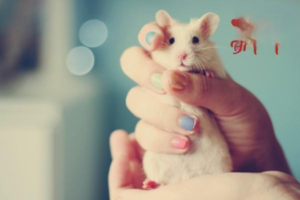
Caring for a Roborovski Hamster
The Roborovski (or 'father' dwarf hamster) is tiny and timid, so it needs a warm acrylic cage, a calm adjustment period, and a varied but careful diet — avoid loquat, peach and spicy food. Watch for cheek-pouch inflammation and clean the scent gland regularly.

Male vs. Female Dogs: Which Is Easier to Keep?
Male dogs are larger, more playful and territorial, eager but impatient to train; females are calmer, more affectionate, cleaner and steadier to train. Males mark territory and may fight when in season, while females have a heat bleed and can accidentally become pregnant. Each sex also has its own common diseases, so the choice comes down to your own situation and preference.

Cockatiel: Habits and Breeding Performance
The cockatiel is a quiet, musical parrot that is hardy, disease-resistant and easy to keep, but needs a metal cage (it chews wood) and a varied diet. Its breeding season runs August to December, with 4–7 white eggs incubated about 18–20 days, and it can raise 3–4 clutches a year. Stop breeding in hot July–August and in old age, and keep the environment quiet and warm during incubation.

Long-Haired Curly Guinea Pig
The Long-Haired Curly Guinea Pig, also known as the long-curly-haired cavy, is a rare and distinctive guinea pig variety native to Peru and Brazil. With its unique curly long coat and gentle nature, it makes a beloved small pet, though its coat requires regular grooming to prevent matting.

How to Bond With a Newly Arrived Hamster
A new hamster is strange to its home and easily scared, so don't rush to handle it. For the first three days keep quiet and just watch, with food and water ready. From day four, offer food from your palm to build trust and let it learn your scent and voice. After a week, try a gentle head stroke. Place the cage out of direct sun, at least 30 cm off the damp floor, in a ventilated spot away from wires and hazards.
What happens when a dog is spayed or neutered?
Neutering may bring effects: first, some dogs are scared during surgery and have a 7 to 10 day recovery; they may resent the owner, showing reduced appetite, ignoring, accidents. Second, it lowers sex hormones, reducing heat discomfort, aggression, sexual behavior, hormone diseases, so many become gentler but sleep more and gain weight. Finally, it reduces risks of endometritis, ovarian cysts, breast disease, prostate disease, extending lifespan.

How to Care for a Pet Turtle
Keeping a turtle alive starts with choosing a healthy, active individual, then setting up a proper tank with a basking spot, stable warm water (23–28°C), and clean filtered water. Feed a balanced diet on a fixed schedule and you will give your turtle the best chance at a long, healthy life.

Why Is My Dog Suddenly Zooming Around the House?
A dog that suddenly bolts around the house may be reacting to diet issues, lack of exercise, anxiety, separation stress, fear, aging, or mating drive. Increase daily walks, keep feeding steady, and rule out medical causes if the behavior appears with no clear trigger.
How should you care for a red-eared slider in winter?
When the temperature drops below 15 degrees C in winter, turtles enter hibernation and stop eating or drinking until spring. Many hatchlings and weak turtles die during this period, so turtle hatchlings and sick turtles should generally not hibernate.