Search Results
290 results for “heat period”

Autumn Cat Care Tips
As summer fades, the change to autumn brings special reactions in cats — seasonal shedding, estrus, and a dip in resistance. Learn the key points of caring for a cat in fall.

Measures to Boost Rabbit Litter Yield in Autumn
Autumn is the peak breeding season for rabbits, but it is also their molt, so extra nutrition is essential to keep breeding stock in condition. Feed bucks and does differently, choose strong genetics, and manage mating and pregnancy carefully to raise litter size.
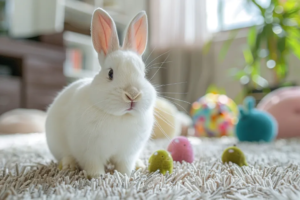
Measures Owners Should Take for Long-Haired Rabbits in Winter
Winter care focuses on cold protection; short daylight and scarce greens also challenge raising. We hope this helps the rabbit through winter.

Common Oral Diseases in Dogs and Cats: Symptoms and Medication
Dogs and cats cannot brush daily, so oral problems like stomatitis, periodontitis and gingivitis are common, with bad breath and ulcers and, if severe, eating difficulty. Here is what to know.

Common Symptoms and Causes of Dog Gingivitis
Dog gingivitis is a common dental disease and the early stage of periodontal and gum disease. If left untreated it can easily progress to periodontitis and, in severe cases, lead to tooth loss. If your dog develops gingivitis, prompt detection and treatment are important. Let's look at the symptoms and treatment of dog gingivitis.

What Is a Non-Pregnant Doe Rabbit? Key Management Points
A non-pregnant (resting) doe is one from weaning her litter to the next successful mating. The rest period varies with the breeding system. A shorter rest improves farm profitability. This article explains how to manage a resting doe.

How to Properly Raise a Non-Pregnant Doe Rabbit
A non-pregnant (resting) doe is one between weaning her litter and the next mating. Too long a rest period lowers fertility and hurts farm profitability. This article covers factors affecting the doe's rest period and how to feed her properly.

Why Is Your Dog Peeing Blood, and How to Treat It?
Blood in urine can come from genital bacteria, toxic foods (onion, chocolate), or urinary disease. Watch the diet, avoid forbidden foods, and see a vet if you're unsure.

Dog and Cat Whelping Guide: Prenatal, Labor, and Postpartum Care
Whelping carries normal risk from mating to birth. This guide covers the best breeding age, pregnancy signs, nest setup, labor signs and difficult-birth warnings, and postpartum nursing and feeding.

Why Is a Young Kitten Cold and Weak?
A cold, weak kitten may be from low temperature, poor nutrition, lack of security, or illness. Newborns can't regulate temperature, so cold environments drop their body heat. High nutritional need means shortage causes weakness and low temperature. Early separation from the mother or threats causes stress. Illnesses like respiratory infection or indigestion also cause it. Respond with warmth, nutrition, treatment, and a safe environment.