Search Results
209 results for “heart medication”
Two months ago my cat’s right eye suddenly wouldn’t open and it wouldn’t let me touch it. A vet said it was the cornea and gave two bottles of drops. I used them a long time with no effect, stopped for a while, and it seemed worse – the eye is now cloudy. Another vet also said just keep using drops, but a few more times brought no change. I miss its two bright eyes; now only one is fine, which is heartbreaking. (The right eye has watered a lot since kittenhood – tears when it eats.)
Feline keratitis causes increased discharge, corneal cloudiness, and eye swelling. Common causes include bacterial or viral infection, trauma, and entropion. If the cornea stays cloudy and shows no improvement after prolonged medication, suspect that the infection has worsened into a corneal ulcer or corneal sequestrum, meaning the current medication may be ineffective. It is best to seek a specialized veterinary eye hospital for systematic treatment.
My cat had a check 20 days ago for inactivity and panting; heart ultrasound showed thick heart walls; biochemistry showed slight inflammation; the vet gave heart medicine, 7 days of pimobendan and 5 days of an antibiotic, much improved, so I stopped; since yesterday it is lethargic again and panting worse; recheck diagnosed pleurisy with pleural effusion and thick bloody fluid; now on subcutaneous injections, observing — please advise, I fear losing it
This is likely pleural effusion, pyothorax, and pleurisy from heart insufficiency (right-sided congestive failure or pericardial disease raising hydrostatic pressure and capillary leakage). Heart disease needs professional long-term care; the vet may give intensive care and oxygen, and if needed drain the chest and place a chest tube with daily lavage, plus anti-infection, diuretics, and nutrition. Follow the vet's systematic plan.
What Medicine Should a Dog with a Weak Heart Take?
Dogs with heart disease can often improve with medications containing pimobendan, which improves circulation and eases heart strain, but only under a vet's guidance. Also manage diet to be light and balanced, low in fat and salt.
How long can a dog with heart disease live?
Lifespan with heart disease varies; some dogs suddenly die from stress, so it's hard to predict. After diagnosis, give long-term meds per the vet and recheck regularly. Reduce dietary salt, ideally using a cardiac prescription diet.
How long can a dog with heart failure live?
Survival varies: some die quickly, others live years, depending on severity and treatment. Older dogs often develop it; medication, low-salt high-nutrition food, and moderate exercise help slow decline.
How Dangerous Is Heartworm in Dogs? Infection, Symptoms, and Prevention
Heartworm (Dirofilaria immitis) is a hidden but deadly internal parasite spread by mosquitoes. Early infection shows almost no signs, yet it can cause heart and lung failure and is fatal in advanced cases. The good news: it is fully preventable with monthly preventives and annual testing.

How to Prevent Heartworm Infection in Dogs
Heartworm in dogs is spread mainly by mosquito bites and, less often, from an infected mother to her puppies. Signs such as coughing, tiredness, and poor appetite appear only after worms mature in the heart and lungs, so prevention — regular checkups, monthly preventives, and mosquito avoidance — is far safer than treatment.
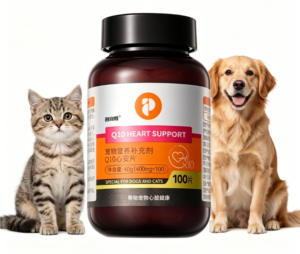
CoQ10 for Dogs and Cats: A Heart-Health Supplement Guide
CoQ10 is a key nutrient for heart-muscle cells and a staple for senior pets and breeds at risk of heart disease. Yet the market is messy—under-dosed, over-claimed products are common. This guide covers who benefits from CoQ10, what to look for on the label, why yeast-fermented source and combined antioxidants (including taurine for cats) matter, and the feeding rules and cautions every owner should know. CoQ10 supports care but never replaces prescribed heart medication.
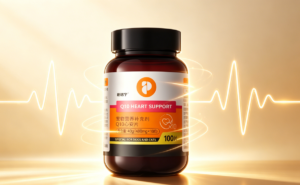
CoQ10 for Pets with Early Heart Enlargement
As cats and dogs age, the heart is often among the first systems to falter, especially in overweight pets and certain breeds with inherited risk. CoQ10, a nutrient that supports heart-muscle energy and protects cells from oxidative stress, is a standard supplement alongside veterinary treatment for heart disease. This guide covers the early signs owners should watch for, why CoQ10 helps, what to look for on a supplement label—real content, independent testing, and proven safety—and how to support heart health day to day. It is nutritional support, not a replacement for prescribed medication.

Choosing a CoQ10 Supplement for Your Pet’s Heart
Pets past about seven years old decline fast, and heart disease is among the highest-risk threats: mitral valve disease and dilated cardiomyopathy in dogs, hypertrophic cardiomyopathy in cats. Early signs—night coughing, panting, purple tongue, exercise intolerance—often mean Stage B2 or C, so the B1–B2 window is the time to act. Alongside prescribed medication, many veterinarians suggest a pet CoQ10 supplement for energy and antioxidant protection. But with crowded shelves, how do you choose? This guide explains what a quality formula should deliver: transparent, well-absorbed dosage; a heart–lung–vessel support blend (rhodiola, krill, astaxanthin, taurine, vitamins, grape powder, folate); palatability and safety for long-term use; and which pets benefit most.