Search Results
255 results for “heart disease”

Symptoms and Treatment of Dehydration in Dogs
Dehydration occurs when the body's water falls below normal levels, usually involving loss of water and electrolytes such as sodium, chlorine, and potassium. This article describes the signs of dehydration in dogs, how it is diagnosed, and how it is treated.

Causes and Diagnosis of Dehydration in Dogs
Dehydration can be caused by many diseases or abnormalities, which fall into two broad categories: reduced fluid intake and increased fluid loss. This article explains the common causes and how veterinarians grade dehydration severity by skin elasticity and lab tests.
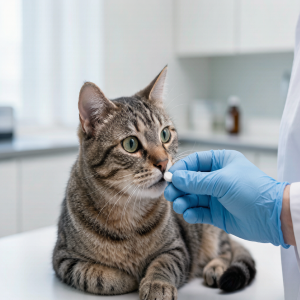
Treatment of Feline Hyperthyroidism
Treating feline hyperthyroidism may involve one or more of several approaches, starting with medication. This article covers methimazole, surgical thyroidectomy, radioactive iodine (I-131) therapy, and supportive follow-up care.

What Is Brachycephalic Syndrome in Dogs
Brachycephalic syndrome is a condition in short-nosed dog breeds that obstructs airflow through the upper respiratory tract. This article explains the typical anatomy, signs such as noisy breathing and collapse, and how it is diagnosed and treated.

Brachycephalic (Short-Nosed) Syndrome in Dogs: Diagnosis and Treatment
Short-nosed breeds can have several upper-airway abnormalities at once — stenotic nostrils, elongated soft palate, and more — that narrow the airway. Mild cases are managed; severe ones need surgery. Here is how it's diagnosed and treated.

Flying with Your Dog: What to Know Before You Board
More pets fly with their families every year, but air travel carries real risks — especially for short-nosed breeds. Before you book, check the airline's rules, get a health certificate, and weigh whether flying is right for your dog at all.

Cat Deworming: Methods and Timing
Parasites are among the few cat illnesses you can actually prevent. A regular deworming schedule protects your cat — and since many parasites are zoonotic, it protects you too. Here is what to know about internal and external parasites and when to treat.

Why Cats Get Stressed (and What to Do)
Cats are sensitive by nature, and the outside world looks and sounds nothing like home—blurred vision, four-times-sharper hearing, and overwhelming smells can trigger fear. Severe stress weakens immunity and links to FIP, respiratory disease, fatty liver, and urinary problems, so it is best avoided.

How Abnormal Bleeding in Cats Is Diagnosed and Treated
Abnormal bleeding can come from many conditions involving platelets, clotting factors, or blood vessels, and it should never be ignored. Diagnosis relies on blood tests, imaging, and clotting assays, while treatment focuses on stopping the trigger and stabilizing the cat.

Common Human Foods That Are Dangerous for Dogs
Many everyday human foods are toxic to dogs, and even small amounts of xylitol, chocolate, grapes, onions, or alcohol can cause serious harm or death. This guide lists 16 foods to keep away from your dog, plus a few safe options you can share in moderation.