Search Results
117 results for “hearing”

Aminoglycoside Antibiotic Poisoning in Dogs and Cats
Overuse of aminoglycoside antibiotics such as gentamicin damages the kidneys and the ear nerve and can block nerve-to-muscle signalling. There is no antidote, so stopping the drug and supporting kidney and nerve function are essential.

Hydrocephalus in Dogs and Cats: Symptoms, Treatment, and Prevention
Hydrocephalus is accumulation of cerebrospinal fluid within or around the brain, from birth defects or later causes such as vitamin A deficiency, meningitis, or chronic disease. It causes dullness, poor vision, and aimless wandering, and has no specific cure beyond supportive care.
What happens with hamster inbreeding?
Inbreeding raises the chance of hidden genetic defects — poor growth, deformities, weak immunity — so avoid it in breeding.
What happens if you pull a dog’s ears?
Pulling a dog's ears causes pain, fear and can damage hearing. Here is why you should not.
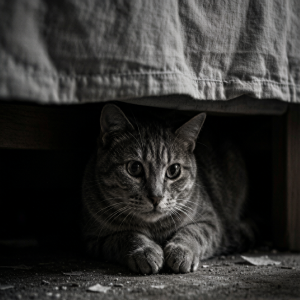
Cat Stress: Signs and What to Do
Basic knowledge about stress reactions in cats.
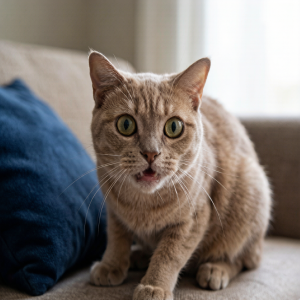
Sudden Stress Response in Cats
It is often said that a cat's stress response can cause very serious consequences. Today we talk about the cat's stress response. It is said that cats are like women, which is because cats are emotionally very sensitive creatures; various environmental changes, even some noise, may trigger a cat's stress response.

Common Cat Ear Diseases and Care
A cat's hearing is extremely acute; its two ears work like radar, distinguishing similar sounds up to about 20 meters away. The ears are vital for hunting and daily activity.

Cat Body Anatomy
Cats are born hunters with superior hearing, vision, and athletic ability. Let us explain a cat's body structure in detail.

Cat Anatomy and Nutritional Requirements
A cat's body has nine notable parts (limbs, eyes, teeth, paw pads, nose, tongue, claws, whiskers, ears), and its diet needs core nutrients: protein, fat, carbohydrates, water, crude fiber, magnesium, calcium, phosphorus, and taurine. As obligate carnivores, cats need animal-source nutrition.

Why Cats Get Stressed (and What to Do)
Cats are sensitive by nature, and the outside world looks and sounds nothing like home—blurred vision, four-times-sharper hearing, and overwhelming smells can trigger fear. Severe stress weakens immunity and links to FIP, respiratory disease, fatty liver, and urinary problems, so it is best avoided.