Search Results
1413 results for “healthy cat”

Why Is My Chinchilla Shedding, and How Do I Fix It?
Chinchillas molt about every 3 months, which is normal, but shedding can also stem from fright, the wrong food (salty or roasted seeds), or fur-chewing disease. Matching the cause to the right fix helps restore a healthy coat.

Prevention and Treatment of Soft Shell and Shell Rot in Turtles
Soft shell disease and shell rot are both common turtle illnesses. Soft shell disease shows up as an unusually soft shell that may break at a light touch, while shell rot causes the carapace to ulcerate. If you notice these signs, treat the turtle promptly to stop the condition from worsening. This guide covers how to prevent and treat both problems.
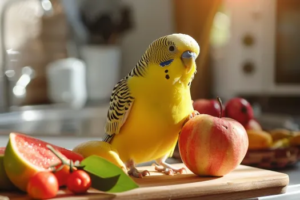
How to Care for a Baby Cockatiel (Hand-Feeding Guide)
Baby cockatiels need formula or soft millet porridge at 38–40°C before weaning, then seed and pellets with weekly fruit, vegetables, and cuttlebone. Keep the brooder at 20–26°C, clean the cage often, and discard old food and water daily to prevent diarrhea.

Red-Eared Slider Eye Swelling and White-Eye Disease: Causes and Treatment
Swollen, shut eyes in red-eared sliders are usually white-eye disease, common in spring and autumn. Isolate a few affected turtles and treat with antibiotic drops or penicillin injections; for a tank-wide outbreak, add antibiotic to the water. Keep water clean to prevent recurrence.

Why Vitamin A Matters for Your Pet Turtle
Vitamin A keeps a turtle's epithelial tissue, eyes, skin, respiratory tract, and urinary tract healthy. It improves vision, fights eye and skin disease, aids soft shell recovery, and prevents respiratory and urinary problems. Keep levels adequate through diet and supplements.
What should I pay attention to when buying a Bichon Frise?
Buying a Bichon needs care. Choose a reputable source and check health and pedigree certificates. Observe the dog's health — skin, coat, eyes, ears, nose, teeth; a healthy one is lively with glossy coat, no dander or odor. Check for genetic disease risk, and interact to confirm temperament fits you.
How should you feed a puppy?
Feeding a puppy requires attention to several points. First, choose nutritionally balanced, easily digestible dog food based on the puppy's age, weight, and health, and feed it at fixed times and in fixed amounts.
What temperature can a newborn Teddy (poodle) tolerate?
The best indoor temperature for newborn puppies is 24–26°C. They're weak, not yet furred, and poor at keeping warm; too cold easily causes colds and can trigger infections. Keep them warm and quiet, and check daily so they don't crawl to colder spots.
How do I pick a German Shepherd puppy?
Buy from a reputable breeder or shop with a pedigree certificate. Check the build: muzzle roughly equal to skull, almond eyes, muscular compact body, straight back, deep chest. A healthy pup is lively, bright-eyed, and alert with no obvious faults.
What causes infertility in dogs?
Dog infertility mainly falls into two categories: failed fertilization and early embryonic death. A veterinary check-up before breeding is strongly recommended.