Search Results
1413 results for “healthy cat”

Four Winter Diet Tips to Keep Cats Healthy
Cold weather raises a cat's energy needs and weakens its natural defenses, making winter a season of extra health risks. Supporting your cat's immunity through diet is one of the simplest ways to help it sail through the cold months. From adding more meat to the kibble to topping up vitamins, calcium, and warm water, here are four practical feeding adjustments every owner should know for a healthy, comfortable winter.

5 Tips for Keeping a Senior Cat Healthy
Five tips for senior cats: twice-yearly exams to catch teeth, arthritis, heart, and kidney issues; watch behavior like appetite, litter, and sleep changes; ease daily life with ramps, non-slip mats, and low-sided litter boxes; switch to senior food to control weight; and give soft, warm, safe bedding, guarding wires from chewing.
What to Feed Your Cat for a Healthy Heart
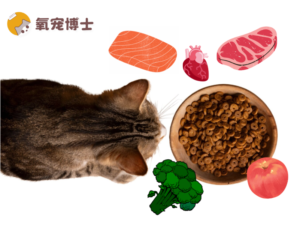
A cat's heart health rests heavily on diet. Taurine, omega-3s, L-carnitine, and vitamins E and C are the nutrients that protect the myocardium and slow decline—found in organ meat, lean poultry, salmon, and vegetables like broccoli and spinach. Just as important is what to avoid: salty, fatty, and high-cholesterol foods that strain the heart. Senior and high-risk purebred cats need regular checkups at the first sign of breathlessness.
Diseases Cats Are Prone to in Winter
Winter weakens a cat's defenses, raising the risk of three problems: panleukopenia (distemper) — highly contagious, often fatal in kittens, prevented by vaccination; feline herpesvirus (cat flu) — carried silently, deadly when it flares in the cold; and chill-driven vomiting/diarrhea that can become gastroenteritis. Keep up vaccines and nutrition, stay warm, and limit winter baths to once every one to two months.

Pet Vomiting (Part 3): Vomiting from Internal Parasites and Toxicity in Dogs and Cats
Internal parasites living in a dog or cat's gut irritate the intestinal lining and trigger vomiting, sometimes expelling visible worms. Food poisoning causes far more violent vomiting along with seizures and drooling, and demands immediate induced vomiting and gastric lavage. Routine deworming and keeping toxic foods — onions, grapes, chocolate, macadamia nuts — out of reach are the best defenses.

Simple Ways to Protect Your Cat’s or Dog’s Joints
Arthritis can't be cured, so protecting your cat's or dog's joints every day slows degeneration. Balanced nutrition, a healthy weight, regular moderate exercise, a joint-friendly home, and vet care when needed all help keep them mobile and comfortable.

Do You Need a Shot After a Bleeding Cat Scratch?
If a cat that's up to date on its rabies vaccine scratches you and draws blood, you usually don't need the shot. For unvaccinated or out-of-date cats, wash the wound thoroughly, disinfect it, and see a doctor about rabies vaccination. Rabies spreads through saliva, and a cat's paws often carry traces of it from grooming.

Are Cat Supplements Really Necessary?
For a cat's health, diet matters far more than any supplement. Cheap food plus a pricey paste won't compensate for poor nutrition; fix the diet first. Supplements can help as a bonus when a cat is sick or has a minor issue, but they are never a substitute for good food and proper veterinary care.

What to Do If Your Dog Catches Parvovirus (Parvo)
Canine parvovirus (CPV) is a highly contagious, often fatal disease of dogs, especially puppies, causing severe vomiting and bloody diarrhea. Treatment is supportive — fluids, antivirals, and symptom control — alongside vet care. The enteric form (most common) is described here, with a home med list including amoxicillin, probiotics, glucose, and an anti-nausea drug.

A Guide to Vaccinating Your Cat
Vaccines shield cats from deadly contagious disease, even indoor ones, since owners carry viruses home on shoes and hands. Follow the core schedule, two or three FVRCP shots plus rabies, and use antibody tests to avoid wasteful or failed dosing.