Search Results
1413 results for “healthy cat”
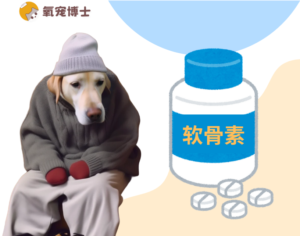
What Is Chondroitin for Dogs, and Who Needs It?
Chondroitin, or chondroitin sulfate, is a natural compound in cartilage that feeds joint cells, locks in joint fluid, and calms inflammation. Healthy young dogs get enough from food, but seniors, large breeds, dogs with joint-prone genetics, the obese, and hard-working dogs benefit from supplements—ideally paired with glucosamine and omega-3. It supports, not replaces, veterinary care for real joint pain.
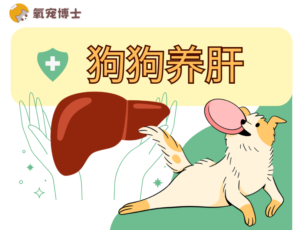
Foods That Support Your Dog’s Liver
The liver filters toxins, stores nutrients, and makes bile, yet it stays silent until heavily damaged—so daily support matters. Quality protein, cruciferous vegetables, and berries aid detoxification, while milk thistle, dandelion root, and omega-3s protect cells. Just as vital is what to skip: fatty foods, toxic items like chocolate, onion, and grapes, and human medicines that strain or poison the liver. Keep water flowing and weight healthy.

Why Is Your Dog’s Gum Pale? Don’t Ignore It—It Could Signal These Illnesses
A healthy dog's gums are pink and refill quickly after a light press. Pale or whitish gums often mean the body isn't getting enough oxygen—usually because of anemia or an underlying chronic disease. The causes range from nutritional and blood-loss anemia to kidney or liver problems and infections. Because pale gums can point to something serious, they deserve a prompt check rather than guessing at home.

How to Boost Your Dog’s Immunity
Strong immunity is the core of a healthy dog, and it drops with poor nutrition, no exercise, stress, environment change and parasites. Lift it with probiotics during stressful moves, daily exercise of about two 30-minute sessions, routine vaccination and deworming, regular play and attention for mental health, and a balanced natural diet instead of salty human food. Owners often forget a dog needs companionship, not just freedom from illness.
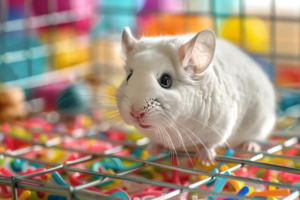
Can Hamsters Get Diabetes?
Hamsters can and do get diabetes, and it is not rare. Like in people, the direct cause is too little insulin, and obese hamsters and dwarf breeds are most at risk. Signs are overeating, heavy drinking, more urine with a strong smell, weight swings, tiredness, mood swings, and in severe cases unsteady walking or coma. Diabetes cannot be cured, so strict sugar control with high-protein, high-fiber, low-fat, low-sugar food is vital; dwarf hamsters should avoid all sweets. Keep them active to prevent obesity.

Common Items in a Dog Health Checkup
A routine dog checkup covers coat and skin, weight, temperature, eyes, ears, teeth, feces, X-rays, and blood work. Many diseases show no early signs and become serious or even untreatable by the time they appear, and older dogs face organ decline and age-related illness, so yearly exams are worthwhile. A typical visit measures rectal temperature (normal 38-38.9°C), checks eyes and ears for cleanliness, assesses coat and weight, examines the mouth for gum or tooth disease, and may add fecal, X-ray, or blood tests as needed.

Safe Dog CoQ10: What the Research and Labels Tell You
CoQ10 appears in veterinary cardiac plans for mitral valve disease, dilated cardiomyopathy, and senior heart decline, and the research behind it is real — not a fad. A 2021 study found dogs with mitral valve disease in heart failure had significantly less heart-muscle CoQ10 than healthy dogs, and a 2022 randomized trial showed supplementation improved oxidative-stress and contraction markers with no adverse effects. The catch is that the benefit only appears when the product is safe, dog-appropriate, and correctly dosed. This guide explains how to read the label and the form.

Summer Care Tips for Hamsters
Hamsters have weak immunity and get sick easily with temperature swings, so summer care must cool them without letting them catch cold. Place the cage in a shady, airy spot with cooling mats, and if you use air conditioning keep it around 27°C with paper cotton for warmth, or use a fan that does not blow directly on the pet. Keep the diet light: normal hamster mix plus cooling foods like mung beans, watermelon, cucumber, or a little chamomile water, and always provide fresh water changed daily. Clean the cage and change bedding twice a week to limit bacteria.
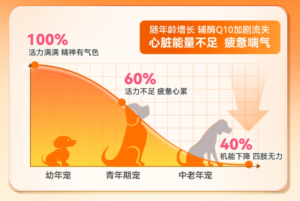
Pet CoQ10 Buying Guide: Look Past the Marketing
Middle-aged and senior pets, overweight animals, and heart-prone breeds such as Ragdoll and Siamese cats, Toy Poodles, Pomeranians, and Cavalier King Charles Spaniels are the ones most likely to need CoQ10. Yet the market is full of products that promise 'high content' with little to back it. This guide cuts through the marketing with the selection criteria that actually matter and the mistakes that waste your money.

Dog CoQ10 and the Mislabeling Trap: How to Pick a Real One
CoQ10 powers heart contraction, clears free radicals, and slows cardiac aging, so it is a staple for senior dogs and breeds prone to valve disease and enlargement. But without enough actual CoQ10 in the dose, you pay and gain nothing. This guide explains why dose is the bottom line, how brands obscure content, why human CoQ10 is dangerous for dogs, and the three checks that separate a real product from a placebo.