Search Results
1413 results for “healthy cat”

Why Is Your Dog’s Tail Tucked Between Its Legs?
A tail tucked down usually signals fear, nervousness, or discomfort. A slight tuck may mean mild unease or wariness of a stranger or possible danger; a tail pressed tightly under the body points to real fright or stress. It can also stem from illness or pain, including a tail injury. Watch the dog's posture and other signs—comfort an anxious dog, and if pain or other symptoms appear, see a veterinarian.
Dog Gastroenteritis with Bloody Stool: A Recovery Case
A 5-year-old dog passed soft stool with a little blood at the end for nearly a week, yet kept a good appetite and energy—pointing to chronic enteritis or gut overload rather than a severe acute illness. With gut-protecting, antibiotic, and probiotic support plus a bland diet, the stool normalized within a day. The case shows how diet and the right care heal a fragile gut.

Can Dogs Eat Ice Cream?
Dogs can technically eat a tiny bit of plain ice cream, but it's rarely a good idea. Most adult dogs are lactose intolerant, so the milk sugar ferments in the gut and causes diarrhea and vomiting; the cold shock also cramps the stomach. Ice cream is also high in sugar and fat, and any variety containing xylitol, chocolate, cocoa, or grapes is toxic. If your dog loves frozen treats, offer a homemade mix of unsweetened yogurt with pumpkin or banana, or a pet-store dog ice cream—in strict moderation, once or twice a week at most.

What to Do When Your Guinea Pig Has Digestive Issues
Guinea pigs have delicate digestive systems, so diet mistakes easily lead to indigestion marked by reduced appetite, weight loss, diarrhea or constipation, bloating, and sometimes vomiting. When symptoms appear, the first step is to adjust the diet: feed a balanced mix, avoid overfeeding hard-to-digest foods like excessive vegetables and fruit, and keep everything fresh. Daily exercise for one to two hours supports gut movement, while a stable, low-stress home environment protects digestion. Adding pet probiotics or prebiotics helps rebalance the gut flora and restore normal function. If symptoms persist, a veterinary visit is essential to rule out gastritis, parasites, or infection. With attentive diet and care, most guinea pigs recover comfortably.

Can a Dog’s Protruding Eye Be Saved?
A dog's eye bulging from its socket needs urgent veterinary care. Causes range from the fatty pad behind the eye being pushed forward—common in short-nosed breeds like Pugs and Boston Terriers—to tumors, thyroid issues, infection, or trauma. Treatment is either replacing the eye or, in severe cases, removal. Gently clean around the eye before the visit, and keep up regular eye and health checkups to catch problems early.

How Does Tracheal Stenosis Affect a Dog?
Tracheal stenosis is a common airway problem, especially in small breeds. The narrowed windpipe blocks airflow, causing labored breathing and exercise limits, and can lead to complications such as voice loss and respiratory infection, plus poor appetite, swallowing trouble, and weight loss. Mild cases are managed with airway-relaxing medication; severe ones need reconstructive surgery. Keep the air calm and avoid strenuous activity, and learn canine CPR for emergencies.
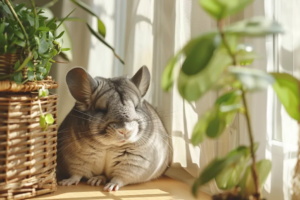
How to Handle a Chinchilla in Frequent Heat
Chinchillas breed readily, and frequent heat can make both owners and pets uncomfortable. Adult males are almost always ready to mate, while females come into heat about once a month, becoming noisy and restless. If you plan to breed, provide a quiet, well-prepared environment and proper nutrition; if not, separate cage-mates, offer chew toys and interaction to burn energy, and consider neutering. Because repeated heat shortens a chinchilla's lifespan and raises stress, neutering is the most fundamental, health-protecting solution for non-breeding pets.

How to Take Care of a Corgi
Corgis—those adorable 'short legs'—need careful care to stay healthy. Feed on a 'moderate, timed, fixed-spot' routine: about three meals a day, each finished in 5–10 minutes, with constant water. Don't overfeed; corgis love food and gain weight easily, and obesity drives heart disease and strain on their leg joints. Their thick coat sheds heavily, so brush often to prevent mats, and add lecithin and fish oil for skin and coat. They are energetic and need daily walks or runs. Because their low build lets dirt reach the urethra, keep the environment clean and watch for discharge. Train with clear rewards and corrections, and start 'quiet' training early since they bark loudly.

What to Do If Your Rabbit’s Fur Turns Yellow
Yellow fur in rabbits can signal poor nutrition, too little sunlight, skipped grooming, illness, or simply urine staining. Because the cause varies, judge by the situation. Feed a balanced diet of fresh grass, vegetables, and quality pellets; give a few hours of gentle outdoor sun (avoid midday heat); brush regularly with a soft comb and use a rabbit-safe shampoo only when needed; and keep the cage clean and dry so urine doesn't stain. If yellowing comes with other symptoms, see a vet for parasites or infection. With diet, light, grooming, and checkups, the coat can recover its healthy shine.

How to Prevent Folliculitis in Dogs
Folliculitis—red, flaky, itchy skin with hair loss—is common in long, short, and hairless dogs alike, but you can lower the risk. Keep the skin clean with dog-specific, lukewarm baths at the right frequency (over-bathing damages the barrier); check the coat and skin weekly for redness, sores, or bald patches; feed quality, balanced food and skip table scraps that trigger obesity and hormone issues; give outdoor exercise to boost circulation and immunity; avoid over-brushing or over-clipping that breaks the skin barrier; and control external parasites with regular deworming. For a dog already affected, keep its space dry and clean, use gentle products, and see a vet promptly for severe signs like pus or intense itching—treatment is usually antibiotics, anti-inflammatories, or topical antiseptics.