Search Results
105 results for “head hole”
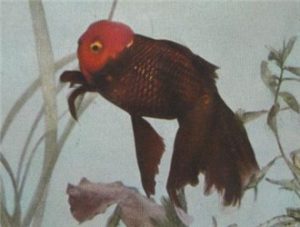
Brown Oranda with Red Head
The Brown Oranda with Red Head is a goldfish variety, a rather precious one of the Wen-jin group. Because it resembles the Purple Oranda, care is needed when buying to tell them apart.
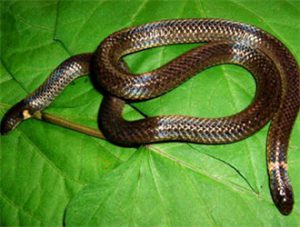
Two-headed Snake (Red-tailed Short Snake)
A tiny, blunt-tailed colubrid whose tail mimics its head so both ends look alike - non-venomous and protected in China, so rarely kept.

Red-headed Side-necked Turtle
The red-headed side-necked turtle (Platemys platycephala) is a flat-headed South American side-neck from the Amazon and Orinoco basins, with a dark orange-red head. Shy and cold-sensitive, it is best kept much like a box turtle.
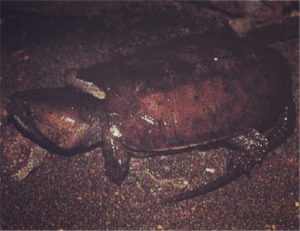
Burman Big-headed Turtle
The Burmese Big-headed Turtle (Platysternon megacephalum) is a subspecies of the beaked turtle found mainly in Myanmar and Vietnam, an aggressive carnivore that adapts fairly well to captivity. It mates in autumn and lays eggs from early summer, but its fierce temperament demands careful handling.
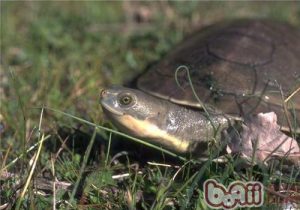
Emydura australis (Australian Big-headed Turtle)
The Australian big-headed side-necked turtle is carnivorous and lives in shallow water, aestivating in pond mud during the dry season. In the wild it consumes large numbers of mosquito larvae, making it beneficial to people, though it is rare and its trade is strictly controlled.
Which dog breeds have wrinkled foreheads?
Dog breeds with wrinkled foreheads commonly include the Shar-Pei, Pug, French Bulldog, and English Bulldog. The Pug's most distinctive feature is its heavily wrinkled face, with a short muzzle and large eyes; puppies look especially cute, while adults often appear perpetually worried. The Shar-Pei has a unique build with a hippopotamus-like head and triangular eyes, and is covered in wrinkles as a puppy.
How long does a yellow-headed turtle sleep each day?
Yellow-headed turtles spend most of the day resting with closed eyes. Here is their typical daily sleep time and hibernation pattern.

First Aid for a Heatstroked Chinchilla
A chinchilla in heat and humidity can't shed heat and may collapse. Mild cases droop with hot ears; moderate ones stand unsteadily and can't eat; severe ones stiffen, arch the head, twitch, foam, and coma. Move the animal to a cool, ventilated place, cool the head/ears, and give a diluted cooling herbal liquid plus glucose or rehydration salts — severe cases also need B1 and B12. Prevention (cooling early) beats rescue.

Why Chinchillas Get Heatstroke — and How to Prevent It
Chinchilla heatstroke comes from heat above 30°C, high humidity, heavy exercise, or dehydration. Mild cases droop and lose appetite; severe ones coma, arch the head, stiffen, and foam — and die fast. Keep the environment below 28°C with good ventilation and humidity control, avoid exercise and sun in heat, and always provide water. Indoors is safest.

Rabbit Mange (Scabies): Symptoms and Control
Rabbit mange is a highly contagious mite infestation starting on low-fur areas (nose, eyes, claws, ears) and causing intense itch, scabs, hair loss, weight loss, and death if untreated. Isolate the sick rabbit at once, disinfect everything, and treat mild cases with ivermectin or trichlorfon plus 2% iodine; keep housing clean, dry, and well-lit to prevent it.