Search Results
209 results for “handling”

Identifying and Handling Cat Eye Problems
Eye diseases in cats often occur together, so a vet exam with tear tests, stain, and pressure checks is needed. Common issues include conjunctivitis, keratitis, corneal ulcers, and glaucoma, each needing its own care.

A Beginner’s Guide to Keeping a Golden Hamster
Small pets are easy to keep, which is why animals like guinea pigs were tamed. The golden hamster, also called the Syrian hamster, is a favorite. Here is how beginners should care for one.

Preparing to Bring a Dog Home
A new dog, especially a puppy, stresses easily in a strange home, so prep the house first: put away breakables and hazards, and block any escape holes. Carry it with one hand under the chest and the other under the rump, let it rest before exploring, soothe night crying with a covered crate or a ticking clock, and confine a puppy in a roomy ventilated cage when alone.

Why a Doe Eats Her Kits and How to Prevent It
A doe may eat her kits from thirst after birth, low milk, poor prenatal nutrition, fright, a cannibalistic habit, strange smells, or illness. Prevent it with strong prenatal feeding and warm salted water after kindling, a quiet space, no scent changes or bare-hand handling, and fostering only after masking the kits with the foster doe's milk and urine.

Rabbit Cannibalism of Kits: Causes and Prevention
Cannibalism of kits is a metabolic and nutritional disorder that peaks right after kindling, driven by salt, calcium, protein, or B-vitamin gaps, thirst, fright, odd smells, or poor mothering. Signs are missing kits with blood in the box. Prevent with complete feed, ample water, no handling of kits, quiet surroundings, and isolating the doe if she has the habit.

Warning: These Guinea Pig Body Parts Should Never Be Touched
Guinea pigs are blind behind them and easily startled, so avoid the back, rear, limbs, and belly unless the pig knows you well. They enjoy the head, chin, and behind the ears — but always let a new guinea pig settle for two or three days before handling it.

First Aid for Common Dog Injuries at Home
At-home first aid for dogs covers scrapes, bites, burns, fractures, and sprains. Clean small scrapes with iodine, control bleeding and disinfect larger wounds, flush burns with cool water, immobilize fractures and rush to the clinic, and ice sprains then rest. Always use an Elizabethan collar and update the rabies vaccine after bites.
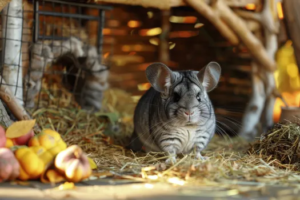
How to Make Your Hamster Friendly and Bond with You
Hamsters are not very smart and are naturally timid, but with patient daily handling they gradually learn to recognize their owner and become affectionate. The key is to let the hamster get used to your scent, win it over with food, build up physical contact slowly, and stay calm and gentle during interaction.

Why Does a Pudding Hamster Bite? What to Do If Bitten
A pudding hamster may bite because your hands smell of food, it senses threat from a stranger, its poor vision mistakes splayed fingers for food, or it smells another hamster on you—all tied to its strong territorial instinct. Wash your hands before handling, keep fingers together, and never tease with a finger. If bitten and bleeding, rinse with soapy water and see a clinic; a light bite without deep tissue can be rinsed well and dabbed with iodine.

Where Do Hamsters Like to Be Petted?
Hamsters are timid, but many enjoy being touched on the back and belly, and the loose skin on the neck sides. Build trust first, never grab suddenly, keep strokes gentle, and wash your hands so your scent does not startle them.