Search Results
9 results for “hamster inflammation”
What to Do When Your Hamster Has Eye Inflammation
Hamster eye inflammation is usually conjunctivitis—redness, itching, and tearing, with sticky discharge in the corner of the eye and, in severe cases, poor appetite and low energy. It is treated with antibiotic eye drops containing lysozyme, oxytetracycline, or tylosin, used 2–5 times daily for 5–7 days after wiping away discharge with saline. Keep the cage clean and draft-free, clean the eyes daily, boost nutrition, and fit a cardboard e-collar if your hamster keeps scratching. If there's no improvement after a few days, see a vet.
Early Signs of Cheek Pouch Inflammation in Hamsters
Cheek pouch inflammation in hamsters is usually caused by bacterial infection, poor nutrition, overeating, or a sharp object scratching the pouch, and it can cause appetite loss, bad breath, and lethargy. Left untreated it may become life-threatening. Early signs include reduced appetite, food stuck in the pouch, trouble drinking, and low spirits. Prompt care, gentle massage, diet adjustment, hygiene, and veterinary-guided antibiotics are the main treatments.

Common Illnesses in Golden Hamsters
Golden hamsters commonly face skin allergies, colds, diarrhea, constipation, and eye trouble such as conjunctivitis, mostly linked to diet and environment. To lower the risk, manage food and housing carefully, keep nutrition complete and safe, and maintain a clean, dry habitat.

What to Do When Your Hamster Has Skin Disease
Hamsters can develop several skin problems, each with its own signs: mange mites cause hair loss, itching, redness, and ulcers; fleas, ticks, or larvae bring itching and wounds; ringworm shows as red, scaly, circular patches; bacteria cause inflammation, ulcers, and swelling; and allergies appear as red, itchy, inflamed skin. Any skin issue warrants a veterinary diagnosis and a targeted treatment plan. Keeping the cage clean and dry, offering regular sand baths, and feeding a varied, nutritious diet all help prevent problems and support the immune system.
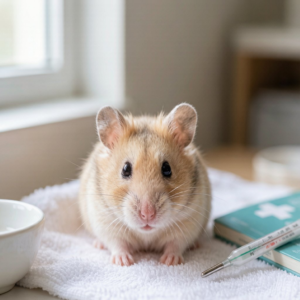
Can Hamsters Die from Sunlight?
Hamsters can die from too much sun. As nocturnal animals, they prefer cool, dim environments, and direct exposure to strong sunlight can seriously harm their health. Their thin skin burns easily under UV rays, their eyes are adapted to darkness and can be damaged by bright light, and because they cannot regulate body temperature like humans, they overheat quickly and may suffer heatstroke, dehydration, or heat exhaustion. To keep a hamster safe, avoid prolonged sun exposure, maintain a habitat around 18-24°C with shade and good ventilation, and always provide fresh water.
My hamster has a black hard lump near its tail
A black hard lump at a hamster's anal area is often dried, hardened soft stool stuck around the anus from poor cleaning. Wipe it with a damp cloth and watch eating and drinking. If it won't come off, consider a prolapse or anal inflammation and see a vet.

Winter White Dwarf Hamster (Milky Tea morph)
The 'milky tea' hamster is a coat-color morph of the Winter White dwarf hamster (Phodopus sungorus), named for its even, milk-tea-colored back. Some show the 'winter white' effect, turning silvery white in cold weather and reverting when warm. It is one of the prettiest of the dwarf hamsters and good for beginners.
My Hamster Is Curled Up, Breathing Fast, and Won’t Eat — What’s Wrong?
These signs point to a serious internal issue (infection, pneumonia, or heatstroke); seek a vet promptly and rule out toxin exposure.
Hamster curled up, breathing fast, lethargic and not eating?
A hamster that curls up, breathes rapidly, is listless and stops eating may have an internal illness or inflammation such as a respiratory infection, pneumonia or heatstroke. See a vet if possible, rule out toxin ingestion, and if it is hot, cool and ventilate the environment.