Search Results
55 results for “hamster illness”
Hamster Shaking: Is It Dying?
A shaking hamster isn't necessarily dying — causes range from cold and fear to low blood sugar, infection, or old age. Occasional brief shaking is usually fine; if it lasts or comes with lethargy, poor appetite, or labored breathing, move it to a warm quiet place with warm water and see a vet.
How many years can a hamster live at most?
Hamsters live at most about 4 years, averaging 2 to 3. Fresh water, a clean cage and good food help them reach their limit; even a cold can be fatal without care.

Why Does a Hamster Run Around Frantically?
A hamster dashing about non-stop is usually normal—most are energetic, especially at night when their internal clock switches on. But constant running can also signal boredom from too much cage time, excitement at new toys or freedom, or, occasionally, discomfort from illness. Understanding the cause helps you meet your pet's needs: give daily out-of-cage exercise, enrich the environment, and watch for unusual behavior that might mean pain. In most cases it's just a healthy, happy hamster burning off energy.

What to Do When Your Hamster Has a Bleeding Nose
A hamster's nose can bleed for several reasons, including respiratory infections, inflammation, injury, dry air, or a vitamin deficiency. Light bleeding from a minor scrape often stops on its own, but heavy or repeated bleeding, especially with sneezing, discharge, or labored breathing, warrants a vet visit. Keep the enclosure warm and humid enough and avoid rough handling while the hamster recovers.

What to Do When Your Hamster Chews the Cage and Keeps You Awake
Hamsters gnaw on their cages out of natural needs—filing their continuously growing teeth, relieving anxiety, mating energy, or plain curiosity—not out of bad behavior. Give them a larger cage, plenty of toys and safe chewing items, a steady daily routine, and a calm, quiet spot to cut the noise and protect their health.
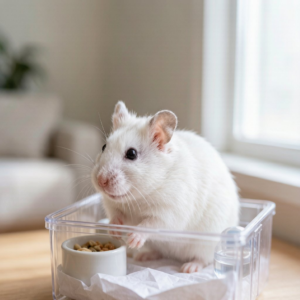
White Bear Hamster: Traits and Care
The White Bear hamster is a type of Teddy Bear hamster with snow-white fur and black or red eyes. Many in the "line" group have a short temper, so they are not ideal for first-time owners. Patience and gentle hand-feeding help them bond. They are nocturnal, timid, and prefer hiding, and do best around 27 C. Because they gain weight easily, a balanced diet keeps obesity and its related diseases at bay.
What to Do When a Hamster Is Weak and Lethargic
A usually lively hamster that suddenly turns weak and listless is signaling a problem worth watching. Causes range from illness such as a chill, gastroenteritis, dental trouble, or poor nutrition, to an unhappy environment that is too cold, humid, or noisy, to stress from bullying by other pets or a sudden move, and to a dull diet lacking key nutrients that lowers overall condition. Help it by improving the home: keep it clean, quiet, and comfortable with limited light and noise and add toys and climbs for enrichment. Offer fresh food and water and clear leftovers so it never eats spoiled food, and broaden the diet with vegetables, fruit, and mealworms for full protein, vitamins, and minerals alongside the base mix. If the weakness lingers, see a vet to find and treat any underlying disease. Tackle habits, diet, environment, and stress together for the best recovery.
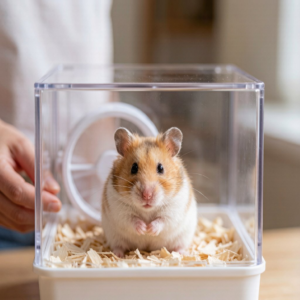
Essential Hamster Care: What Every Owner Should Know
Keeping a hamster healthy and extending its lifespan depends above all on proper husbandry. Before bringing a hamster home, owners should prepare a spacious cage with suitable bedding, a food bowl, a water bottle, and an exercise wheel, then keep the enclosure clean and disinfected on a regular schedule. A balanced diet built around a high-quality hamster mix, supplemented with small amounts of fruit and vegetables, and constant access to fresh, safe drinking water are equally important. This guide covers the fundamentals of scientific hamster care: building a comfortable habitat, providing nutritious food and clean water, maintaining a tidy living space, encouraging daily exercise, reducing stress, and managing temperature through the seasons. With the right setup and routine, even first-time owners can help their pet thrive.
What to Do If Your Hamster Falls in Water
Hamsters are fragile and easily terrified, so falling in water is an emergency. They may panic, catch a chill and fall ill, or even drown. Act fast: lift the hamster out calmly, check and gently blot water from its nose and mouth so it can't choke, then lightly press its belly to help expel water. Dry and warm it—pat with a towel and use a hairdryer on low—and keep it cozy while you watch its breathing and heartbeat. If it does not recover, rush it to a vet. Staying calm and gentle is the best thing you can do.
What Happens If a Hamster Doesn’t Get Enough Exercise?
Hamsters need to move, and too little exercise hurts them. Regular activity keeps a healthy weight and body condition, supports the heart, and strengthens immunity so illness is less likely. Without it, a hamster gains weight and becomes obese, burdening joints and organs and making it sluggish. Boredom breeds abnormal behavior—cage-chewing and even self-injury. Over time, muscles weaken and bones thin, raising the risk of fractures. Give a roomy cage, a wheel and climbing toys, and safe supervised free-roam time so your hamster stays fit and happy.