Search Results
17 results for “hamster behavior”
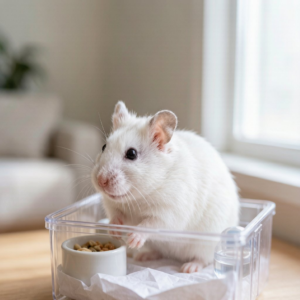
White Bear Hamster: Traits and Care
The White Bear hamster is a type of Teddy Bear hamster with snow-white fur and black or red eyes. Many in the "line" group have a short temper, so they are not ideal for first-time owners. Patience and gentle hand-feeding help them bond. They are nocturnal, timid, and prefer hiding, and do best around 27 C. Because they gain weight easily, a balanced diet keeps obesity and its related diseases at bay.
How Does a Too-Small Cage Affect a Hamster?
A cage that's too small harms a hamster's physical and mental health. Even though hamsters are tiny, they're active and need room to run, climb, and explore; cramped quarters limit exercise, risking weak muscles and stiff joints, obesity, and anxiety or depression. A small cage also can't hold the essentials—food, water, sleep area, and toys—hurting quality of life, and a stressed hamster may bite the bars and disturb your rest. The fix: a spacious cage with a wheel and all essentials, regular cleaning, and daily free-roam time outside the cage so your hamster stays fit and calm.

Signs Your Hamster Is About to Give Birth
As birth approaches, a hamster shows signs such as a visibly enlarged abdomen, reduced or refused appetite, less activity, bloody discharge from the vulva, and heightened alertness, while also seeking a suitable place to deliver. Prepare in advance, give extra attention, and provide a quiet, comfortable environment to protect the mother and her pups.

What to Do If Your Hamster Has a Fracture
If a hamster breaks a bone, place it in a quiet, warm, comfortable space to ease pain, and apply a wrapped ice pack to the injury for 15 to 20 minutes to reduce swelling. Because hamster bones are delicate, handling them at home can cause more damage, so see a veterinarian promptly. The vet will examine and X-ray the fracture, then use external fixation like a splint or internal fixation with plates or pins depending on severity.

Treating a Hamster Injured in a Fight
Hamsters are fiercely territorial and often fight when housed together. After a fight, check the wound closely. Minor injuries can be treated at home: clean with saline, disinfect with iodine, and apply a safe ointment such as chlortetracycline eye ointment or Yunnan Baiyao, while keeping the injured hamster alone in a calm space. For heavy bleeding, large, or deep wounds, disinfect and bandage, then see a veterinarian. Separate the injured hamster at once and watch for any worsening; seek professional care if it does not improve.
Signs That a Hamster Is Pregnant
Knowing whether your hamster is pregnant helps you care for her and prepare for pups. Around days 15 to 20 the belly visibly swells as the fetuses grow, and by days 20 to 25 clear mammary bumps appear, the so-called 'double button,' often with early milk. Appetite rises because she needs more nutrition, while the heavier belly reduces her activity and she may seem lazy, which is normal. In late pregnancy she shows nesting behavior, tidying the nest for the babies. Support her with rich, varied food such as hamster mix, mealworms, vegetables, and fruit, plus pregnancy supplements like protein and vitamins, keep the nest clean with stable, comfortable temperatures, watch her body and mammary development, and set up a warm, dry, roomy birthing box in advance. After birth, monitor the pups' growth and nursing so any problem is caught early.

Common Diseases in Hamsters
Hamsters face several common diseases, including tumors, respiratory conditions, digestive problems, skin issues, and dental trouble. Some are easy to prevent, for example by offering chew tools so teeth stay the right length, which lowers the chance of dental disease. To protect your hamster, take preventive measures early, watch its behavior and symptoms closely, and visit a veterinary clinic promptly if anything seems wrong.
What Foods Can Harm Your Hamster’s Health?
Not every food that is safe for people is safe for hamsters. Chocolate, caffeine, fatty or fried foods, sugary and salty items, and anything containing alcohol or artificial sweeteners can cause digestive trouble, obesity, poisoning, or even death. Certain fruits and vegetables, such as citrus, garlic, and onion, can also trigger poisoning or stomach irritation, while too much high-fat food may lead to obesity, liver disease, and heart problems. Hamsters need a balanced diet, and a single, repetitive food source can cause malnutrition. Learning which foods to avoid, and how to build a healthy daily menu, helps keep your small pet safe and thriving.
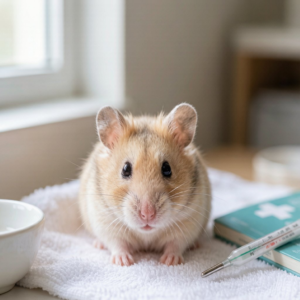
Can Hamsters Die from Sunlight?
Hamsters can die from too much sun. As nocturnal animals, they prefer cool, dim environments, and direct exposure to strong sunlight can seriously harm their health. Their thin skin burns easily under UV rays, their eyes are adapted to darkness and can be damaged by bright light, and because they cannot regulate body temperature like humans, they overheat quickly and may suffer heatstroke, dehydration, or heat exhaustion. To keep a hamster safe, avoid prolonged sun exposure, maintain a habitat around 18-24°C with shade and good ventilation, and always provide fresh water.
What Are the Signs a Hamster Is Frightened?
A frightened hamster may go stiff-limbed, vibrate its tail, tremble, hide, and grow unusually alert—some even play dead when terrorized. Hamsters are highly sensitive to sudden noise and quick movement. Keep their environment quiet and calm, and if one is startled, give it space and security, offer a favorite treat, and let it rest until it recovers.