Search Results
3532 results for “gut”

Are Chinchillas Easy to Keep? Key Care Tips
Chinchillas are gentle, clean, and low-odor herbivores that are fairly easy to care for, but they need a cool environment (15–23°C), a hay-based diet, and patient handling. This guide covers the essentials for new owners and the foods and habits to avoid.

What to Feed a Cat with a Sensitive Stomach
Many cats have delicate digestion, leading to vomiting, diarrhea, and bloating if diet is ignored—and chronic trouble can cause dehydration. This guide covers the warning signs, common causes, and the best foods (gentle kibble, prescription diet, probiotics, and plain toppers) to settle a sensitive stomach.
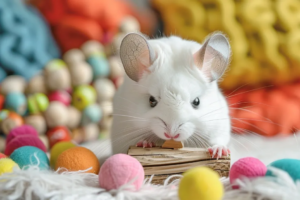
How to Care for a Dwarf Hamster
Hamsters are cute and popular, but newcomers have much to learn. This guide covers the basic gear, how to pick a healthy hamster, and feeding—staple mix, fresh supplements, schedule, and clean water.

What Milk for Baby Rabbits, and How to Hand-Feed Them
If the doe is separated or low on milk, nursing kits need hand-feeding with rabbit-formula milk, not lactose-rich cow's milk. This guide covers the right formula, mixing ratios, feeding frequency, and weaning.

Why Does Your Dog Have a Strong Body Odor?
A strong 'dog smell' comes from health issues—ears, mouth, anus, digestion—or excess skin oil. This guide traces the smell to ear mites, dental or gut disease, and anal glands, and shows how routine grooming prevents it.

Essential Medications to Keep on Hand for Your Dog
Illness or injury can strike at night, so every dog owner should keep a basic pet first-aid supply at home. This guide lists useful external, digestive and special-purpose medications to have ready.

Is More Meat Always Better for Dogs?
Dogs are meat-based omnivores and meat supports muscle, immunity, coat and skin health—but too much causes calcium imbalance, heat, pickiness, bad breath and obesity. A balanced diet of meat plus vegetables is best.

What to Feed a Samoyed for a Healthy Coat
Rough Samoyed coats improve with the right foods—carrots, organ meat, egg yolk, chicken breast, cheese, deep-sea fish, legumes and olive oil. This guide explains how each helps and how often to feed them.

How to Relieve Constipation in Dogs
Constipation in dogs shows up as straining without producing stool, often caused by a poor diet, low water intake, too many bones, little exercise, or old age. Dietary fixes such as honey, fiber and probiotics usually help, and prevention comes down to better diet, hydration and weight control.

How to Relieve Constipation in Cats
Mild cat constipation can often be eased at home by increasing water intake, adjusting the diet, managing weight, adding exercise and fiber, and lowering stress. Severe cases need a veterinarian's help rather than home enemas.