Search Results
3532 results for “gut”

What to Do When a Teddy Dog Won’t Eat Kibble
Teddy dogs often prefer snacks over kibble. Fix the habit by controlling portions, cutting snacks, timing meals to 10 minutes, and adding water to the kibble to break the boredom.

What to Do When a Dog Has Mouth Ulcers and Won’t Eat
Mouth ulcers come from trauma, irritant foods, or viruses, showing as drooling, red swollen mucosa, and bad breath. Treat with a soft bland diet, vitamin B, and good oral hygiene.

Dog and Cat Whelping Guide: Prenatal, Labor, and Postpartum Care
Whelping carries normal risk from mating to birth. This guide covers the best breeding age, pregnancy signs, nest setup, labor signs and difficult-birth warnings, and postpartum nursing and feeding.

When Should You Switch Your Dog’s Food
Switch dog food at weaning, adulthood, and senior years, or when the coat dulls, energy drops, or obesity appears. Use a gradual 7-day transition to avoid gut upset; keep the brand stable otherwise.

Natural Foods That Help Prevent Hairballs
Hairballs form when cats swallow groomed fur; instead of only hairball paste, try cat grass, a little olive oil, mashed sweet potato, or oatmeal to aid passage. Use in moderation and alternate with paste.

How Long Does It Take a Dog to Recover from Overeating
Overeating causes belly pain, vomiting, and soft stools. Mild cases recover in a few hours, severe ones in about a day; withhold food and water three hours and add probiotics. Never force exercise, as it risks fatal gastric torsion.

Fish That Are Dangerous for Cats
Not every fish is safe for cats. Tuna depletes vitamin E and causes steatitis; squid's thiaminase triggers B1 deficiency and a wobbly gait; abalone innards cause photosensitivity dermatitis and ear necrosis; bonito's magnesium invites urinary disease. Keep these off the menu.

Why Is Your Cat Not Eating? Is It Sick?
A cat that stops eating may be in heat, ill (gut, oral, kidney, or parasite disease), poorly fed, stressed by its surroundings, or simply anxious. Rule out illness with a vet, then fix diet, environment, and routine.
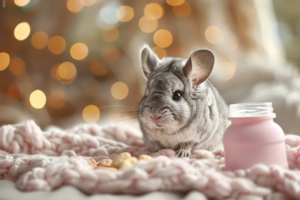
How to Treat Hamster Constipation
Constipation is a common hamster gut issue; mild cases pass in a few days, but severe ones need action. This guide covers apples, probiotics, food-grade olive oil, hairball paste, and a probiotic powder — with the cautions that matter.
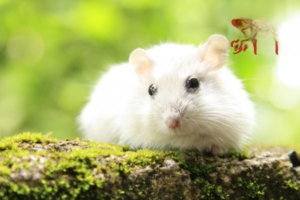
Why Erythromycin Is Dangerous for Hamsters
Owners often self-medicate from online advice, but some drugs are fatal to hamsters — erythromycin among them. This guide explains the confusion with chlortetracycline and the hidden cocoa powder in some gut meds.