Search Results
3532 results for “gut”

Hookworms in Dogs: Symptoms and Deworming
Hookworms are intestinal parasites named for their hook-like mouthparts, which anchor them to the gut wall. Only about an eighth of an inch long, they are hard to see, yet they drink large amounts of blood from tiny vessels and can inflame the gut, cause anemia, and threaten life, especially in puppies. Dogs catch them by mouth, through the skin, or from mother to pup via placenta and milk. Signs include pale gums, weakness, weight loss, and bloody diarrhea. Diagnosis is a fecal float, and treatment is regular deworming plus a repeat dose to kill newly matured worms.

How to Switch Your Cat’s Food the Right Way
Switching cat food badly can trigger refusals, vomiting, or diarrhea, so the job calls for method. The safe route is a gradual seven-to-ten-day transition that blends old and new food in shifting ratios. This guide also covers what to do if diarrhea appears and how to handle the smaller portions needed when moving from home-cooked meals to calorie-dense commercial food.
Choosing Food for a Cat With Chronic Soft Stools or Diarrhea
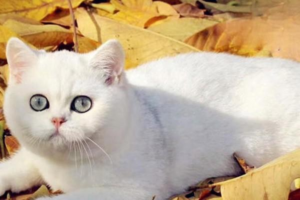
Low-fat diets are often prescribed for cats with chronic digestive trouble, borrowed from human thinking, but is that right for an obligate carnivore? A controlled study of sixty cats with chronic diarrhea found no real difference between low-fat and high-fat diets, and that cats handle animal fat efficiently. The takeaway: choose food built on quality animal protein and fat rather than worrying about fat level.

Is a Cat That Won’t Eat Just Picky, or Something Worse?
A cat turning up its nose at food is not always simple fussiness. There is a world of difference between a picky eater and a cat with pathological anorexia, and confusing the two can be dangerous, since starving an anorexic cat only speeds decline. This guide shows how to tell them apart, the warning signs that demand a vet, and gentle ways to tempt a reluctant eater back to food.
Six Common Types of Cat Vomit and What They Mean
Vomiting is one of the most common reasons cats visit the vet, and the appearance of the vomit often points to the cause. From yellow bile and hairballs to undigested food, parasites, blood, or swallowed objects, each type tells a different story. Learning to read what your cat brings up helps you decide when a diet tweak is enough and when it is time to rush to the clinic.

How to Care for an Alligator Snapping Turtle
Alligator snapping turtles are aggressive, long-lived freshwater turtles that make challenging but rewarding pets. They are mostly aquatic but must come ashore often to breathe, so provide a rock or basking platform. Keep water deep, about two to three times the shell height, with a land area for shelter and sunning. Change only one fifth to one third of the water weekly to avoid shocking them. Feed a varied carnivorous-leaning diet of fish, shrimp, earthworms, lean meat, and insects plus some greens, and keep the temperature steady at 26 to 32 degrees Celsius. Avoid overfeeding and too much fat or salt, and clean the habitat regularly to prevent disease.

What to Do When Your Cat or Dog Has Chronic Constipation, Diarrhea, or Indigestion
About 60 to 80 percent of a cat or dog's immune system resides in the digestive tract, and a healthy gut is the body's first line of defense against pathogens and toxins. When the intestinal flora falls out of balance, pets frequently develop constipation, diarrhea, and poor digestion and become far more prone to illness. Diet, stress, medications, and a naturally smaller microbiome all influence gut health. Probiotics can help restore balance, but most beneficial bacteria are destroyed by stomach acid or by heat during food processing. This guide explains why gut balance matters, what disrupts it, and how to choose a heat- and acid-resistant, high-activity probiotic that actually survives to reach the intestines where it is needed.

Adjusting Diet for a Constipated Cat
Little or hard dry stool means constipation; act fast to avoid permanent colon damage. Use a high-fiber or high-protein low-carb plan added gradually, feed small frequent meals, boost water with syringing or moist foods and honey water, and add fruit and vegetables for vitamins and fiber. A quality freeze-dried recipe with chicken, fish, and milk powder supports metabolism.

What Happens When You Overfeed a Turtle?
Overfeeding burdens a turtle's digestive system and can lead to diarrhea, indigestion, and gastroenteritis over time. Leftover food fouls the water, lowering immunity and raising the risk of eye infections, shell rot, and skin disease. Rapid growth that outpaces shell renewal can even cause deformity. To avoid these problems, control portion size and feeding method. Hatchlings need daily feeding, but no more than the size of the head; adults tolerate hunger well and can be fed every few days.

What Happens When Dogs Eat Unevenly?
Feeding a dog unevenly, with stretches of hunger followed by overeating, harms its health and happiness. A dog's digestive system needs steady nourishment; frequent starvation and binging strain it, causing indigestion, vomiting, or diarrhea. Long-term nutrient gaps can slow development, weaken immunity, and invite chronic disease, while the starve-binge cycle destabilizes weight. To keep a dog healthy, feed on a consistent schedule, keep portions balanced, and always provide fresh water.