Search Results
3532 results for “gut”
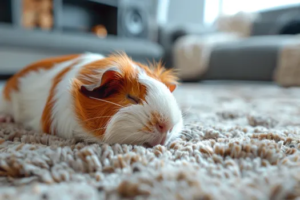
Common Illnesses in Golden Hamsters
Golden hamsters commonly face skin allergies, colds, diarrhea, constipation, and eye trouble such as conjunctivitis, mostly linked to diet and environment. To lower the risk, manage food and housing carefully, keep nutrition complete and safe, and maintain a clean, dry habitat.

Why Does Your Pet Rabbit Smell?
A strong rabbit odor can come from diet, poor hygiene, health problems, or sex differences. To reduce it, manage the diet and living space, clean the rabbit appropriately, and check its health regularly. Most odor comes from urine and droppings, so clean the habitat often to stop them from lingering.

Can Obesity Cause Fatty Liver in Cats?
Overweight cats are at higher risk of fatty liver, because excess fat around the liver can move into it. Fat cats also more often have diabetes and pancreatitis, which can lead to fatty liver, and prolonged starvation is another common cause. Symptoms include anorexia, weight loss, vomiting, and jaundice, and severe cases can be fatal, so prevention matters.

Bad Breath in Dogs and Cats Is Not “Heat”—3 Types to Self-Check
When dogs or cats have bad breath, many owners assume “heat” and reach for cooling teas or herbs—but most pet halitosis is a disease signal, not a temperature issue. A rotten, fishy odor with red gums, tartar, hesitant eating, or drooling points to periodontal disease (over 70% of pets over 3 years); a strong urine or ammonia smell with extra drinking, extra urination, lethargy, and low appetite signals declining kidney function; and a sour, fermented odor with burping, acid reflux, worse on an empty stomach, and soft stool points to gut or liver trouble. Mild breath, teething at 3–6 months, or a meaty diet smell are normal. Severe or symptomatic breath warrants a vet visit—blood and organ checks—not “cooling” remedies.

How to Choose a Safe Dewormer for Dogs
When picking a dog dewormer, safety beats brand fame, price, or reviews. Weak off-brand products vary in purity, absorption, and residues, and can cause vomiting, diarrhea, lethargy, or skin redness. Judge a product by three things: gentle, compliant, pet-specific ingredients with low toxicity; a precise spectrum covering fleas, lice, mites, roundworm, hookworm, and heartworm prevention; and broad adaptability with very low side effects, including for puppies, adults, and pregnant or lactating dogs. Common active types include imidacloprid-moxidectin spot-ons, fluralaner (an isoxazoline) for long-acting tick and flea control, selamectin for sensitive dogs, and oral fenbendazole-pyrantel-praziquantel for broad internal coverage. Avoid three mistakes: over-frequent or stacked dosing, treating only after you see parasites, and buying unlabeled “no-name” products.
How to Choose a CoQ10 Supplement for Pets
CoQ10 only helps the heart if it is taken correctly and in enough amount. Pets with heart disease show lower CoQ10 levels, and veterinarians commonly add it to prescribed medication as long-term support; seniors over about 7, obese animals, and high-risk breeds (Toy Poodles, Pomeranians, Maine Coons, Ragdolls) benefit most. Because the heart is the body’s highest-energy organ, a deficient dose is essentially wasted—especially since older pets absorb less. When choosing, look for a clearly labeled, well-absorbed dosage from a yeast-derived source, combined antioxidants (fucoxanthin, olive, astaxanthin, vitamins C and E), and a pet-specific form. Avoid three traps: substituting human CoQ10 (some contain pet-toxic xylitol), using it to replace prescription drugs, and inconsistent use.

Can Rabbits Eat Steamed Buns?
It is best not to feed rabbits steamed buns. Made mainly of flour, yeast, and water, buns are rich in carbohydrates that a rabbit's digestive system cannot handle well, and eating them can cause digestive trouble and obesity. A rabbit's diet should center on high-fiber, low-fat, low-sugar plants. Grass provides the fiber that supports gut digestion, so pair hay with limited fruit and vegetables for balanced nutrition.

Feeding Fruits and Vegetables to Rabbits: What to Know
Fruits and vegetables add useful nutrients and fiber to a rabbit's diet, but not all are safe, and too much causes diarrhea or obesity. Avoid onion, leek, garlic, and chives, herbs like basil and rosemary, and citrus, grapes and raisins, cherries, and persimmons. Hay should be the staple; treats of produce should be only 10-15% of the daily diet. Introduce new foods slowly, wash them well, remove pits, and clear away any leftovers so they do not spoil and upset the gut.

Is It Normal for Dogs to Eat Poop?
About 80% of dogs that eat feces are showing normal behavior, not a disease or a nutrient deficiency. It is tied to evolution, digestion, and instinct rather than bad hygiene. Mother dogs may eat puppies’ feces to hide scent from predators and keep the nest clean; puppies often copy adults or explore the smell of undigested food. But long-term coprophagia with a thin body, frequent soft stools, or low energy deserves attention. This article separates normal from concerning causes—hunger, poor absorption, anxiety, or attention-seeking—and gives vet-style fixes: prompt cleanup, better diet, probiotics, and more companionship.

What Foods Are Toxic to Rabbits?
Rabbits are herbivores that mainly eat grass and plants, but some items are unsafe, including grapes, onion, garlic, and ginger. High-fat and high-sugar foods burden the gut and cause digestive trouble, and nuts, beans, and corn are too starchy and fatty to digest well. Feed a fresh, balanced, organic diet and keep all forbidden foods away from your rabbit.