Search Results
3532 results for “gut”

Do Cats Hold Grudges? (They Probably Don’t)
Cats don't hold grudges—their memory is survival-oriented (short-term ~10–15 minutes; long-term only 'reward/punishment' links for danger avoidance). 'Revenge' acts like peeing on the bed are fear/stress responses or scent-marking for security, not spite. Keep trust with gentle handling and treats; if stressed, use pheromones and give space.
What should I do and what medicine helps a cat with diarrhea?
Cat diarrhea usually comes from digestive upset; first try a little pet probiotic to rebalance the gut and watch. If it doesn't improve, give a vet-grade amoxicillin-clavulanate powder and bismuth subcarbonate tablets to reduce inflammation and stop diarrhea. Feed softened kibble in warm water, avoid rich or hard food, and if it hasn't improved in 2-3 days, see a vet to rule out parasites or cat distemper.
Winter Dog Care: The ‘Five Do’s and Five Don’ts’ to Save
In winter, keep dogs warm by breed/age (short-haired, small, puppy, and senior dogs need coats outdoors; long-haired breeds don't), add nutritious cooked meats, watch electric-heater safety, groom coats, and protect paws from salt. The five don'ts: no all-day clothing (weakens the coat's insulation), no staying indoors (winter blues), no skipping deworming (every 2–3 months), no drinking snow melt (gut irritation), and no frequent baths (monthly is enough).
Can dogs eat dragon fruit?
Yes, in moderation. Dragon fruit is rich in vitamins, minerals and fiber that boost immunity and ease constipation, but its high sugar strains the kidneys and a sudden large amount can upset the gut and cause diarrhea, especially on a plain diet.
Does a dog really need deworming every month?
Under 6 months: monthly. Over 6 months: still monthly is advised, but with good hygiene do internal deworming every 2-3 months and external monthly. Parasites harm skin and gut and steal nutrients, so regular deworming is necessary.
What medicine helps a dog’s diarrhea get better fast?
Dog diarrhea is usually gastroenteritis; you can give a pet anti-inflammatory containing amoxicillin or metronidazole, plus an anti-diarrheal with bismuth subcarbonate and probiotics to settle the gut. Keep the diet light to avoid irritation; symptoms usually ease in 1-2 days. If diarrhea doesn't improve after medication, it may be parasites or a virus — take the dog to a vet to find the cause and adjust treatment.
Is a Dog an Omnivore or a Carnivore?
Dogs are meat-leading omnivores: descended from wolves, they keep carnivore traits (sharp canines, a gut built for protein and fat) yet, after thousands of years of domestication, carry starch-digesting genes (AMY2B) that wolves lack. Feed 'meat first, plants second' — about 60% meat, 20% carbs (brown rice, sweet potato, oats), 20% veggies/fruit — and skip the myth that 'higher protein is always better' or that human food is fine.
Can dogs eat fennel?
Not the fennel spice—its pungent smell puts dogs off and it is hard to digest, causing diarrhea. But fennel greens in small amounts are okay, with vitamins B1, B2, PP and fiber that ease stomach spasms.
Can Dogs Eat Raw Eggs? Stop Following the Trend Blindly
Raw eggs are best avoided: shells and yolks can carry Salmonella, Toxoplasma, and roundworms (diarrhea, appetite loss, weight loss; toxoplasma can deform or abort puppies), and raw egg white contains avidin that binds biotin and hurts skin, coat, and nerves. If you must, use sushi-grade eggs and start with a quarter. Also keep chocolate, grapes, onion, alcohol, xylitol, caffeine, salty/sugary food, dairy, and bones off the menu.
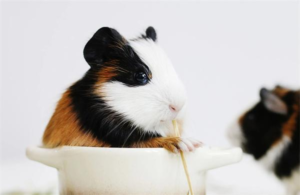
Common Guinea Pig Diseases and Their Symptoms
Guinea pigs commonly suffer digestive troubles (diarrhea, constipation, gut parasites), respiratory infections (pneumonia, bronchitis), skin disease from bacteria, fungus, or external parasites, and urinary issues (cystitis, nephritis). Good diet, clean housing, checkups, and prevention keep them healthy.