Search Results
3544 results for “gut”
Constant stomach gurgling, diarrhea and vomiting of yellow fluid
Causes include internal parasites, indigestion, food poisoning, and diseases such as panleukopenia, pancreatitis, hepatitis, or nephritis. Treatment depends on the identified cause.
Samoyed vomiting, anorexia, not eating, and low energy
There are many causes, from parvovirus and coronavirus in puppies to dietary indiscretion, indigestion, gastroenteritis, and parasites. Identify the cause before giving medication; mild cases may be treated at home.
My Syrian hamster’s poop is yellow and wet but not diarrhea; its bottom was red as if bleeding when it first pooped
Yellow, wet stool means gastrointestinal trouble and diarrhea, and the fragile hamster gut can develop wet tail. Wet tail can kill within a week from dehydration, so seek veterinary treatment promptly.
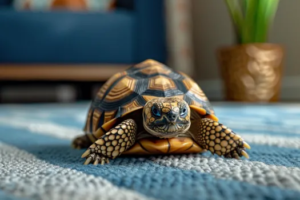
Caring for a Brazilian Turtle (Red-Eared Slider)
The Brazilian turtle (red-eared slider) is hardy but needs the right setup to stay healthy and live long. Choose a turtle at least six months old, house it in a covered tank with water at about 25°C, always feed it in the water, and manage a proper hibernation and breeding routine.
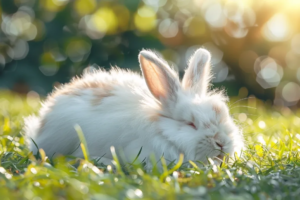
What Affects a Rabbit’s Lifespan?
A rabbit's life is shaped by its own traits, diet, and environment. Feed hay-based balanced food (not just vegetables or sweets), keep the cage clean, dry, and quiet between 15–25°C, house it indoors, avoid over-bathing and neglect, and don't breed females repeatedly — all of which shorten life.

What Should You Feed a Baby Rabbit?
A baby rabbit's staple should be alfalfa hay, the most nutritious hay, with a little timothy added later to ease the switch to adult food. Feed a junior pellet formula for balanced nutrition, and always offer cooled boiled water — never tap water, which can carry parasites and chlorine that upset a young rabbit's gut.
How is a Bully dog’s digestion?
Bully dogs have fragile stomachs; spoiled, irritating or greasy food causes diarrhea and vomiting. Keep a steady diet of proper kibble, no human food or junk, ample water and regular deworming. See a vet for any digestive problem.
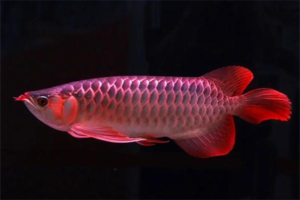
Why Arowana Get Pinecone Disease (Raised Scales) and How to Treat It
Pinecone disease (also called raised or loose scales) is common in arowana. It can be triggered by large temperature swings, poor water quality, or internal infections such as enteritis and ascites. Mild cases often respond to the 'old three methods' — raise temperature, add salt, and partial water changes — while severe cases need antibiotics.
Cat won’t eat or drink and vomits for five days after spay surgery
Post-spay anorexia with vomiting is first considered stress-induced gastroenteritis. Check bloodwork for anesthesia-related liver/kidney injury; severe cases need IV therapy. Control vomiting and use probiotics.
What happens if a dog eats watermelon?
A little watermelon is fine - sugar and water aid urination and hydration. But young sensitive dogs may get diarrhea; high sugar risks obesity and high blood glucose; iced watermelon irritates the gut.