Search Results
3536 results for “gut”
What happens if a dog eats too much oxytetracycline?
Oxytetracycline is a broad-spectrum antibiotic commonly used to treat bacterial diseases. If a dog eats too much of it, several problems may arise. First, it may disrupt the dog's intestinal flora, leading to digestive issues such as diarrhea, vomiting, abdominal pain, and loss of appetite. Second, if the dog ingests a large amount, it may cause toxicity, with signs such as dry mouth, fatigue, headache, dizziness, nausea, vomiting, and diarrhea. Finally, long-term or excessive use of oxytetracycline may damage the dog's liver, so the medication should be stopped promptly once the dog's disease symptoms disappear.
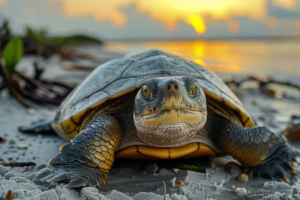
How to Manage and Care for Turtles in Summer
Although summer is the fastest growth period, with big appetite and fast growth, poor management still hurts results. Our pet care specialists detail the key summer issues to help improve your turtle-keeping.

Precautions for Keeping Turtles in Summer
Turtles struggle with summer's heat, which also affects breeding turtles' reproduction. To keep turtles well in summer, strengthen management to avoid harm. Our pet care specialists list the key summer precautions to help your turtle through the hot season.

What Causes a Dog to Pass Black, Watery Stools
Black watery stools may mean something is wrong, but the causes are many, so identify the cause before treating. Our pet care specialists explain the causes and treatments.

Why do dogs eat grass?
Dogs eat grass for many reasons: lacking some nutrient they supplement with grass; with gut discomfort they eat grass to aid digestion and relief; bored from little exercise they eat grass to relieve boredom; or curiosity and exploration.
What color is a leopard tortoise’s uric acid discharge?
The discharge is mainly milky-white, gypsum-like, crumbling when rubbed, sometimes with small stones. Long lack of discharge can form large stones blocking the gut and threatening life. Regular soaking helps—daily for hatchlings, every other day for adults, water 30-40°C for 30-60 min; discharging every 3-5 days is normal.
What are dog tartar like in Teddy (Poodle) dogs?
Teddy tartar is like human tartar, from food left in the mouth forming hard plaque that builds into tartar. Untreated, it breeds bacteria causing gingivitis, mouth ulcers, bad breath, loose or lost teeth, and bacteria can enter the gut causing poor appetite and vomiting. Brush regularly; for severe tartar, get a professional dental cleaning.
My rabbit stopped eating and drinking, curls in a corner and grinds its teeth—what’s wrong?
Not eating, blank stare may be: 1) overeating causing indigestion—give pet probiotics; 2) fright—comfort it and offer favorite treats; 3) illness—bacterial or parasite infection. If other abnormalities appear, see a vet.
Why do rabbits need to eat hay?
Rabbits need enough hay because of their special digestion; they require coarse fiber to drive gut movement, and hay provides it—without it, gut stasis brings disease. Hay also helps wear teeth to a proper length.
How can I make my kitten defecate?
A kitten that can't poop may have indigestion or low water intake; if weaned, give warm water or honey water to soften stool, and gently massage the abdomen top-down to stimulate movement. For severe constipation, try a little hairball paste; if no effect, see a vet.