Search Results
3525 results for “gut”

How to Prevent Megacolon in Cats
Megacolon is a chronic enlargement of the colon that shows up first as persistent constipation, and about two-thirds of cases are primary with no clear cause. Keeping a cat hydrated, high in fiber, at a healthy weight, and well-groomed is the best prevention; severe cases need enemas or surgery.

Why Your Cat Throws Up Undigested Kibble
When a healthy cat on a hairball regimen vomits only its food, the usual culprits are bad or abruptly changed kibble, overeating, eating too fast, or an underlying gut problem. Switch foods gradually over a week, portion the meals, slow the eating with a puzzle bowl, and see a vet if lethargy or diarrhea joins the vomiting.

How to Handle a Cat That Gets Cars Sick
Travel with a cat on an empty stomach, give a motion-sickness tablet such as dimenhydrinate (about 12.5 mg) with a calming pheromone spray, and keep the car well ventilated with the carrier up front. Pack a kit of carrier, wipes, blanket, and a litter box in case of vomiting or diarrhea.

A Complete Guide to Internal and External Deworming for Dogs
Deworming covers internal parasites (roundworms, hookworms, tapeworms, toxoplasma) and external ones (lice, fleas, ticks, mites), several of which can pass to people. Treat internally with oral medication and externally with spot-on or spray, dose by weight, and keep puppies on a monthly schedule until adult.

Is It Safe to Sleep with Your Cat?
Sharing a bed is cozy, but not for everyone: cats are nocturnal and may disturb sleep, track litter, and trigger allergies or asthma in up to 30% of people. Keep the cat vaccinated and dewormed, separate it from infants, and make sure it's litter-trained first.

Why Dogs and Cats Vomit After Eating Dry Kibble
Dry food is made by extrusion, which puffs each piece so it swells sharply once it meets stomach fluid — a belly full of expanding kibble is a common reason dogs and cats bolt their food and then vomit. Soaking the food softens it and eases the gut, while slow-feeder bowls, split meals, and probiotics help dogs with sensitive stomachs.

Which Insects Are Harmful to Cats
Many insects are harmless to cats, but spiders, stinging bees, venomous caterpillars, centipedes, scorpions, and fire ants can poison or injure them, and the chemicals used to kill pests are often more dangerous than the bugs. Monthly flea, tick, and heartworm prevention plus pet-safe products are the best protection.

Why Cats Chase Mice They Don’t Eat
Cats hunt mice mainly to get taurine, an amino acid they can't make and that protects vision, heart, digestion, reproduction, and immunity; a fed house cat gets it from food, so it won't eat the catch. The chase itself is instinct and a way to burn off night-time energy, and it also helps control rodents around us.
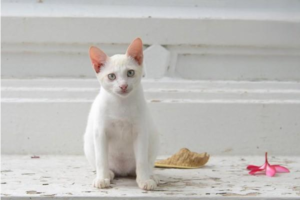
How Much to Feed a Kitten Per Meal
Kibble is the healthiest everyday choice because it meets a cat's full nutritional needs and stores easily, but portion control matters — overfeeding helps no one. Let a kitten eat its fill in about eight minutes and clear the bowl after 20–30 minutes, and feed kittens four to five small meals a day versus one or two for adults.

How to Feed a Kitten: Schedule, Diet, and Foods to Avoid
Kittens need frequent small meals of quality kitten food — at least three a day under six months — with fixed times and a clean, quiet spot to eat. Never give cow's milk (most cats are lactose intolerant), cooked bones, chocolate, grapes, onions, or raw meat and eggs; switch to adult food gradually over 5 to 7 days around the first birthday.