Search Results
1212 results for “gut disease”
My cat’s stool was like mud, then diarrhea with mucus and blood—what disease is this?
Mud-like stool with mucus and blood likely means enteritis or parasite infection. First, bacterial or viral enteritis—if unvaccinated, panleukopenia risk is high, so get a test and blood work. Second, coccidia or Giardia damage the gut lining and cause bleeding; diagnose by fecal exam and abdominal ultrasound, then deworm and treat with anti-inflammatories.

What Are the Most Common Turtle Diseases?
Turtles are hardy, but they still get sick, especially with poor water and feeding. The most common illnesses are colds, enteritis, mycosis, and soft-shell disease, each with distinct signs and treatments ranging from antibiotics to diet fixes.
My four-month-old dog has distemper: no appetite, gurgling gut, bloody watery stool, not eating, retching, lethargic. What do I do?
These signs suggest an infectious disease, likely parvo more than distemper. If distemper is confirmed, hospital care is urgent with no guarantee of cure.
My dog is listless, vomiting yellow foam, has foul diarrhea, and feels cold—could bad guts kill it?
These signs point to severe gastrointestinal illness that can be fatal without care. A cold, whimpering dog is near collapse; rush it to a vet, as causes like toxin, pancreatitis, or infection cannot be treated at home.
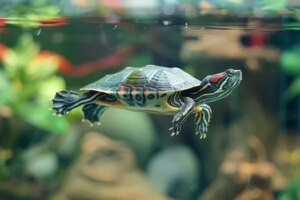
What Causes Scabies (Abscess) Disease in Turtles?
The pathogen of turtle scabies is a subspecies of Aeromonas hydrophila, normally present in water and on the turtle's skin and gut. Turtles usually carry it without symptoms, but once water is polluted or the body is wounded, the bacteria multiply and cause disease. This article covers the symptoms, causes and prevention of turtle scabies.
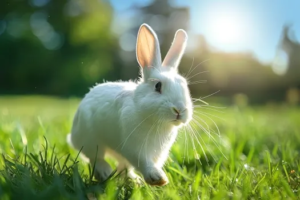
Rabbit Hairball Disease: Causes and Treatment
Hairball disease, common in long-haired rabbits, comes from swallowing too much fur and blocks the gut with constipation, bloating, and sometimes death. Causes range from cramped cages and poor diet to vitamin or mineral gaps and skin disease. Prevent it with full-ratio feed, isolation of fur-eaters, and regular grooming; treat with vegetable oil and enzyme tablets to pass the mass.

What Is Hamster Wet Tail Disease?
Wet tail, also called proliferative ileitis, is a serious intestinal disease in hamsters, common in young ones and often fatal. Here is what you need to know about it.

Common Rabbit Diseases in Winter and How to Prevent Them
Cold, dry winters challenge small, fragile rabbits. To help your rabbit through the season safely, prepare ahead. Here are the diseases rabbits face in winter and how to prevent and treat them.
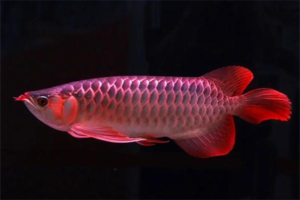
Why Arowana Get Pinecone Disease (Raised Scales) and How to Treat It
Pinecone disease (also called raised or loose scales) is common in arowana. It can be triggered by large temperature swings, poor water quality, or internal infections such as enteritis and ascites. Mild cases often respond to the 'old three methods' — raise temperature, add salt, and partial water changes — while severe cases need antibiotics.
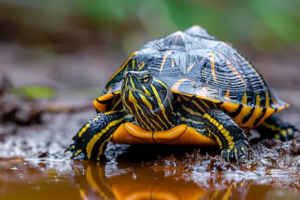
What Are the Common Diseases in Aquatic Turtles?
Common aquatic-turtle diseases—shell rot, colds, digestive illness, parasites, and white-eye disease—usually stem from poor feeding, dirty food, or bad water. Manage water quality and diet, keep the habitat right, and feed clean food to cut risk. Each condition has distinct signs and a targeted treatment, from shell cleaning to warm-water isolation.