Search Results
11 results for “guinea pig trust”
How can I make a guinea pig like me?
Guinea pigs are slow to warm up, so be patient: quiet roomy cage, regular feeding, toys. They are timid, so no sudden moves or shouting. Once settled, hand-feed and gently touch its back/head to build trust.
How can I train a guinea pig?
Training a guinea pig takes patience, consistency, and positive reinforcement. First spend time interacting (talk, hand-feed, gentle petting) to build trust. Guinea pigs aren't very smart, so keep to simple tasks like stepping up or following. Use food to draw attention, guide with hands along a route, use short clear cues ('come', 'go'), and repeat several times daily.

Reading Guinea Pig Body Language
Guinea pigs signal needs through posture. Learn their body language to care for them better.

What to Do When Your Guinea Pig Won’t Let You Touch It
Guinea pigs are seen as cute, gentle pets. But when still unfamiliar with the owner, a guinea pig may refuse to be touched and can resist or even bite when you try to interact. So what should you do when your guinea pig won't let you handle it?
What is a guinea pig’s temperament like?
Guinea pigs are timid and gentle with high alertness. If you touch one before gaining its trust it may scratch or bite, and very timid ones hide at the slightest sound.

Are Hairless Guinea Pigs Hard to Care For?
Hairless guinea pigs are trickier because they lack fur protection and catch cold easily. Keep them at 20–25°C with added humidity, clean them with a damp cloth, check their skin often, and give space and social time with other guinea pigs.

Do Guinea Pigs Need to Sleep?
Guinea pigs sleep about 7–9 hours a day, resting in the daytime and active at night as crepuscular animals. They startle easily, so give them a quiet, dim, secure space; if frightened they may freeze, tremble, or lose appetite, and need calm reassurance and a vet if it persists.
Signs a Guinea Pig Dislikes Its Owner
Guinea pigs are popular small pets, but they do not always adore their owners, and sometimes they show clear dislike that leaves owners puzzled. Common signs include sharp squeals aimed at you when unhappy, and biting when they feel threatened, such as after a sudden grab or pet. A guinea pig that dislikes you will avoid coming near, refusing your food or touch, and may flee to a corner, under furniture, or scramble inside the cage when you reach for it. The causes are usually practical: an uncomfortable environment with cold or swinging temperatures, poor or unsuitable food, too little companionship for this social animal, or illness that makes it fretful. To rebuild trust, meet its basics with a cozy home, fresh food and water, and clean housing; spend more calm time together through gentle handling and feeding; learn its nocturnal habits and interact in the evening; and stay consistent and patient so it slowly learns to trust you.

What to Do If a Guinea Pig Bites You
If a guinea pig bites you, wash the wound thoroughly with warm water and soap to remove saliva and bacteria, gently squeeze out a little contaminated blood if it bleeds, then press with a bandage to stop bleeding and disinfect with iodine or alcohol. Seek medical care for deep or facial wounds. To prevent future bites, learn the trigger—defense, pain, fear, stress, or lack of socialization—and address it with gradual handling, a stimulating environment, and respect for the animal's individual boundaries.
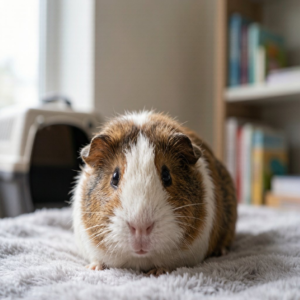
Where Do Guinea Pigs Like to Be Petted?
Guinea pigs enjoy being stroked on the head, under the chin, and behind the ears, with the head between the eyes and crown being the easiest spot to accept. Avoid the back and rear, which are off-limits and may provoke a bite. A newly arrived pig is fearful and should not be handled until it settles; most take 3 to 7 days to adjust, after which gentle head strokes build trust. Once bonded, the pig may run to you, climb into your hand, and become clingy.