Search Results
14 results for “guinea pig diet”
How to Supplement a Pregnant Guinea Pig’s Diet
A pregnant guinea pig eats more—that is normal, as she adjusts her intake to feed the growing babies. But overfeeding risks oversized fetuses and a difficult birth, so balance matters. Aim for about 18% protein from quality sources (fish meal, meat-and-bone meal), plenty of calcium, phosphorus, zinc, and iron, and vitamins A, C, D, E, and K. Vary the feed to keep it fresh and appetizing, and raise the daily amount gradually—roughly 10% more in early pregnancy and 20% more later. Keep feed dry, fresh, and mold-free, and watch her appetite, mood, and droppings daily. Good nutrition and management are what produce healthy, lively pups.
What Vegetables Can Guinea Pigs Eat?
Guinea pigs are easygoing eaters, and the right vegetables are a healthy part of their diet. Good choices include carrots, rich in vitamin A and beta-carotene for eyes and skin and low in calories; spinach, full of vitamin C, K, and folate for bones and heart, but only in small amounts because its oxalates can strain the kidneys; broccoli, with vitamin C, K, minerals, and compounds that may lower cancer risk; choy sum, a low-fat, high-fiber green that aids digestion; lettuce, low-calorie and hydrating; and tomatoes, packed with vitamin C, A, B, and the lycopene antioxidant. Keep portions modest: too many vegetables at once flood the gut with water and can cause diarrhea or soft stool. Serve only fresh produce and clear leftovers promptly so spoiled food does not trigger gut inflammation or mold poisoning, and vary the vegetables to balance nutrition with their regular feed.
How Much Feed Does a Guinea Pig Need Per Day?
A guinea pig needs about 5–7% of its body weight in food daily—so a typical 300 g guinea pig eats roughly 15–21 g. Adjust for activity, age, and health, since youngsters need more for growth. Base the diet on dry foods—hay and pellets—because too much moisture causes diarrhea; add small amounts of guinea-pig-safe vegetables and fruit for vitamins, and a vitamin C supplement, since they can't make their own. Variety and freshness keep the diet balanced and the pet thriving.
What to Do When Your Guinea Pig Has Digestive Issues
Guinea pigs have delicate digestive systems, so diet mistakes easily lead to indigestion marked by reduced appetite, weight loss, diarrhea or constipation, bloating, and sometimes vomiting. When symptoms appear, the first step is to adjust the diet: feed a balanced mix, avoid overfeeding hard-to-digest foods like excessive vegetables and fruit, and keep everything fresh. Daily exercise for one to two hours supports gut movement, while a stable, low-stress home environment protects digestion. Adding pet probiotics or prebiotics helps rebalance the gut flora and restore normal function. If symptoms persist, a veterinary visit is essential to rule out gastritis, parasites, or infection. With attentive diet and care, most guinea pigs recover comfortably.
What to Do When Your Guinea Pig Has Diarrhea
Diarrhea in guinea pigs is common but can turn dangerous fast, leading to dehydration and even death if ignored. Causes range from too much watery produce, spoiled food, gut parasites such as coccidia, to stress. For mild cases, rehydrate with oral electrolyte solution and review the diet; for severe or ongoing diarrhea, a veterinarian should guide antibiotics and binders such as smectite or kaolin, with B vitamins and yeast to support the gut lining. Watch for three to five days, and if it persists, see a vet.
What to Do If Your Guinea Pig Won’t Eat?
A guinea pig that loses its appetite can signal illness—such as a cold, intestinal parasites, or dental problems—or simpler issues like a monotonous diet, spoiled food, a move, stress, or poor digestion. Because these animals are sensitive, the key is to find the cause and act. Offer varied, nutritious food (vegetables, fruit, pellets), encourage gentle daily exercise like walks or play to aid digestion, and watch its body closely so any health problem gets veterinary care quickly. With the right diet, a calm environment, and attention to its mood, most guinea pigs regain their appetite.
What to Do When Your Guinea Pig Won’t Drink Water?
Guinea pigs need a steady supply of fresh water, and refusing to drink can quickly lead to dehydration and digestive trouble. The cause is often practical rather than medical: too much moisture in their food, stale or dirty water, a poorly placed bottle, or simply a bad habit. Most cases improve once you trim watery produce, switch to a proper small-pet water bottle at the right height, keep it scrupulously clean, and gently train your pet to use it. If a sudden refusal to drink comes with low appetite or lethargy, see a veterinarian to rule out illness.
Can a Guinea Pig Eat Itself to Death?
Guinea pigs are herbivores that need protein, dietary fiber, and vitamins to stay healthy. Although they are greedy eaters, they have a sense of satiety and will stop when full, so they will not literally eat themselves to death. Their digestion is sensitive, however, and overeating can cause diarrhea, bloating, or obesity. Owners should manage diet and exercise, avoid overfeeding and imbalance, and give the animal enough space and suitable toys to stay active.
Can a Guinea Pig Cold Heal on Its Own?
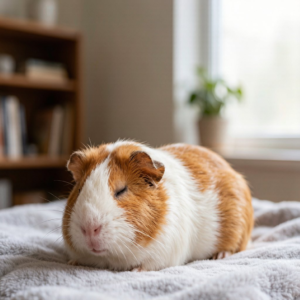
A guinea pig cold rarely clears by itself. Unlike a human cold, it comes from different pathogens and the animal's immune defense is weak, so treatment is usually needed to ease signs and aid recovery. Symptoms are sneezing, clear nasal discharge, more eye discharge, lost appetite, and low spirits. See a vet early for diagnosis and the right antibiotics or supportive care; keep the cage warm and clean, offer vitamin-C-rich easy food, and ensure fresh water. Never medicate on your own, as wrong drugs can harm the pig.

Clear Signs of Aging in Guinea Pigs
Aging in guinea pigs is easy to spot: loose skin, dull and thinning coat, heavy shedding, and slow walking. They live about 5 to 8 years and enter old age after 5, when body function and immunity fade and illness becomes more likely. Hearing, sight, and digestion weaken, so clear cage obstacles and adjust the diet. Seniors lose calcium and easily cramp or fracture, and their bite weakens, needing softer food and regular tooth trims plus extra vitamins.