Search Results
43 results for “grain-free dog food”

Why Is Your Dog Allergic to Its Kibble?
Kibble allergy is usually to a specific ingredient — often grains (corn, wheat, rice) a dog's meat-oriented gut can't digest well, causing redness or diarrhea, though breed and immune factors also matter. Find the trigger with a vet test, then avoid it: choose grain-free, low-allergen, high-protein, low-gluten food, switch gradually, and use meds for severe symptoms under guidance.
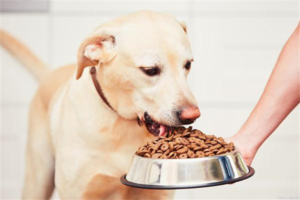
Which Dogs Should Eat Low-Fat Food?
Low-fat dog food suits dogs that need to cut back on fat: overweight or obese dogs, those with pancreatitis and similar illnesses, seniors, low-activity dogs, and dogs with sensitive stomachs. Healthy dogs can have some, but not as a long-term staple, since too little fat can harm the skin, coat, and immune system.
Watch Out: Common Food Allergens for Dogs
Common dog food allergens include beef, chicken, dairy, grains (wheat, rice, corn), legumes, lamb, and eggs; reactions can show as skin redness, itching, rashes, hair loss, soft stool, diarrhea, vomiting, eye redness, tearing, sneezing, or runny nose, and in severe cases can be fatal. To find the culprit, start with an ultra-hypoallergenic commercial diet, then add one new ingredient at a time and watch for 1–2 weeks, stopping any that triggers symptoms.

Why Does Your Dog Smell So Bad?
No matter how much you love your dog, the odors it carries can be hard to love. Many owners wonder why their dog smells, and the causes are not always obvious. A bad smell can signal a health problem, from wet-coat yeast and bacteria to ear infections, skin-fold dermatitis, gas, and impacted anal glands. Knowing where the odor comes from helps you treat the root cause instead of just masking it. Regular bathing and grooming, plus simple odor absorbers, can handle everyday smells that are not linked to illness.

Can Dogs Be Allergic to Their Own Kibble?
Dogs can be allergic to kibble, and it is not rare; the usual trigger is grain. Descended from wolves, dogs are built to digest protein and fat, so too much wheat, rice, or corn can cause poor digestion and allergy, and tolerance varies by individual. Signs include hair loss, red itchy skin, spots, restlessness, breathing trouble, runny eyes and nose, swollen paws, and gut upset like vomiting or diarrhea. If your dog is allergy-prone, choose grain-free food and introduce any new food in small test amounts first.
How good is Canidae dog food?
Canidae is a high-end grain-free imported food with good coat benefits from Omega-3, but only suits high-budget owners.
How good is Hanyou dog food?
Hanyou's popular adult formula is grain-free and meat-rich with salmon oil and probiotics, though quality varies across its many product lines.
How good is Chuncui dog food?
Chuncui promotes additive-free natural food; its popular black-label formula is grain-free duck-and-pear for tear stains, but kibble is oily and stool odor can be strong.
How good is Both N3 dog food?
Both N3 is a cheap domestic grain-free food (potato starch) good for grain-allergic dogs, but salt content is unstated and transparency is low.

What to Do If Your Cat or Dog Has Diabetes
Diabetes in pets comes from too little or poorly used insulin, so the body burns fat instead of sugar. It can't be cured, but with insulin, diet, and monitoring it is very manageable — and early signs are easy to spot.