Search Results
175 results for “gradual food transition”

Characteristics of a Puppy’s Weaning Period
The weaning period is a major transition for puppies. As the mother's milk declines, the pups' fast growth pushes their nutritional needs up, and their digestion begins adapting to soft foods like thin meat porridge. This stage is also stressful and disease-prone — maternal antibodies hit a low around 40 days, so a careful plan matters: start supplemental feeding at 25–28 days, keep the original cage while moving the mother away, follow a fixed feeding schedule to avoid hypoglycemia, and stick to the deworming and vaccination timeline (e.g., Nobivac 2-way at 35 days, 4-way at 50 and 70 days).

How to Manage Chronic Indigestion in Dogs
Recurring indigestion in dogs is often linked to poor diet, food allergies, or conditions like gastroenteritis. Managing it starts with the right food: choose an age- and health-appropriate dog food, avoid greasy, spicy, or irritating human foods, and add vegetables, fruits, and fiber to support gut movement. Probiotics or digestive enzymes can aid digestion, while clean bowls and fresh water prevent contamination. Feed smaller, more frequent meals, transition diets gradually, and take your dog for a gentle walk about half an hour after eating to stimulate the gut. Persistent or worsening signs warrant a veterinary visit.

What to Do When Your Cat Is Addicted to Flavor Enhancers
Some low-quality cat foods rely on artificial flavor enhancers to make cats overeat, creating a false impression that the food is popular. While small amounts of natural enhancers are harmless and even nutritious, artificial ones such as sodium glutamate, pyrophosphates, and meat flavorings can lead to dependence and poor nutrition. If your cat is already hooked, switch gradually to a high-quality natural diet using a slow transition plan, mixing old and new food over roughly two to three weeks. Add nutritious toppers like wet food or supplement paste, and always choose reputable brands so your cat gets balanced nutrition instead of empty calories.
How should I feed a kitten from 2 to 6 months old?
From 2 months (just weaned, immature gut) feed warm-water-softened kitten kibble plus a little goat-milk powder, in 4-5 small meals daily. At 2 months you can deworm and vaccinate, but separately - deworm first, watch a week, then vaccinate. By 3 months wean fully onto dry kibble (about 4 meals/day, occasional freeze-dried or canned treats); at 4-5 months they teethe and chew everything, so provide teething snacks and toys to save your sofa and curtains.
What to Do When Your Rabbit Is a Picky Eater
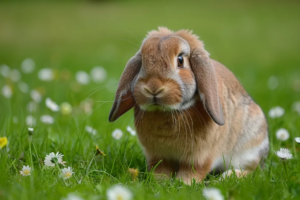
A picky rabbit may refuse food because of taste preference, a recent environment change, or dental trouble. Offer variety, fresh food, and a gradual switch to new items, and avoid overfeeding treats. Check teeth and mouth regularly, keep the diet balanced, and give enough space and exercise. Persistent pickiness with other symptoms warrants a veterinary check, since poor intake risks nutrient deficiency and weak growth.

Why Your Budgerigar Has Recurring Diarrhea
Recurring diarrhea in budgerigars comes from poor diet, stress, parasite or bacterial infection, or chills. Long transport, fright, or a sudden move stresses the bird and upsetts its gut, usually easing as it settles; probiotics and calming help. Sudden feed changes, overeating, or spoiled food also trigger loose droppings. Parasites, bacteria, or a cold from low temperatures need a vet. A simple home mix of oxytetracycline powder and probiotics can settle mild cases.

LionHead Rabbit
The LionHead Rabbit is a small, gentle pet rabbit named for the ruff of long fur around its head that looks like a lion's mane. Originating in Belgium and bred in the Netherlands and US, it is sturdy and clean, needs daily coat care and a wire-free cage, and lives 5–7 years.

Batagur baska (Northern River Terrapin)
The Batagur turtle is one of the largest freshwater turtles in Asia, living in Andaman coast estuaries from Bangladesh to Vietnam and feeding on mangrove seeds. Once thought extinct in Thailand, it is now classified as Critically Endangered and protected under CITES Appendix I.

Bichon Frise: Health and Care Considerations Before You Adopt
The Bichon Frise is a gentle, low-shedding companion dog, but prospective owners should know its common care needs: pronounced tear staining from shallow tear ducts, a coat that mats and pulls the skin, separation anxiety, a sensitive stomach, and dental issues. Meeting these needs keeps the dog healthy.

Lactose Intolerance in Dogs and Cats
Lactose intolerance in dogs and cats is the inability to digest lactose in milk and dairy products because of low lactase activity in the intestinal lining. It causes osmotic diarrhea, abdominal discomfort, and a gurgling abdomen after dairy is consumed, and resolves simply by removing dairy from the diet.