Search Results
8 results for “glomerulonephritis”
What Is Feline Glomerulonephritis
Feline glomerulonephritis is an immune-mediated kidney disease that most often affects young male cats. It develops when antibody-antigen complexes are filtered and trapped in the glomeruli, the kidney's tiny filtering units. The result ranges from protein-wasting nephrotic syndrome to chronic kidney failure. Recognizing the signs and the treatment goals helps owners act early.

Glomerulonephritis in Dogs and Cats
Glomerulonephritis is immune-mediated inflammation of the kidney's filtering units, often following infection or toxicity, causing fever, vomiting, kidney pain, and later blood in the urine or edema. Veterinary care controls inflammation and protects kidney function before uremia develops.

Uremia in Dogs and Cats
Uremia is the severe, body-wide poisoning that results when advanced kidney failure lets metabolic wastes build up in the blood. It affects the nervous, circulatory, digestive, respiratory, and blood systems, and is treated by managing the underlying kidney disease and the individual symptoms.

Hydronephrosis in Dogs and Cats
Hydronephrosis is the buildup of urine in the kidney's collecting area when outflow is blocked, affecting one or both kidneys. Bilateral cases cause kidney failure and uremia, and trapped fluid can turn to pus if infected. Restoring urine flow early protects kidney function.

Chronic Renal Failure in Dogs and Cats
Chronic renal failure is the slow, often permanent loss of kidney function from long-term kidney damage, such as after acute renal failure, glomerulonephritis, or urinary stones. It brings progressive dehydration, weakness, and heart strain, and needs lifelong fluid, diet, and monitoring support.

Chronic Kidney Disease in Cats: Symptoms and Treatment
Chronic kidney disease is common in cats and a leading cause of death, mainly because cats drink little, staying dehydrated and stressing the kidneys until function is slowly lost.
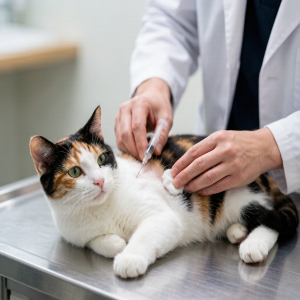
Feline Leukemia: Symptoms and Treatment
Feline AIDS and feline leukemia are topics owners avoid; clinically similar yet different. There is a separate article on feline AIDS for those interested.

Diseases with Symptoms Similar to Feline Liver Failure
Liver failure is an abnormality that occurs when the liver is affected by impaired blood flow, reduced oxygen supply, hepatotoxic drugs or chemicals, excess heat, or infectious agents. Liver failure can occur in dogs and cats of all ages and breeds. It may affect multiple organ systems, including the liver and gallbladder, nervous system, gastrointestinal tract, and blood system. Affected pets may show various symptoms, including anorexia, lethargy, depression, vomiting, diarrhea, seizures, abdominal fluid accumulation, bleeding, and jaundice (yellowing of the skin).