Search Results
188 results for “genetic”
CoQ10 for Cats: How to Choose and Use It
Cats enter old age after 7, when heart disease affects a large share of the population, and their own CoQ10 production falls below half of youth levels. For breeds prone to hypertrophic cardiomyopathy, veterinary-guided CoQ10 is common supportive care. This guide explains why cats need CoQ10, the market pitfalls to avoid—false potency, conceptual add-ons, and fake credentials—and the three basics of choosing a product, plus feeding rules and cautions. CoQ10 supports care but never replaces prescribed heart medication.
CoQ10 for Cats: What to Know Before You Buy
Cats get heart disease too—especially Ragdolls, Maine Coons, and British Shorthairs, where genetics raise the risk—and a vet may suggest CoQ10 as supportive care. Because quality varies, owners who judge only by label strength often see no benefit. This guide explains why cats may need CoQ10, what a good feline formula contains (verified content, yeast-fermented source, taurine, and sensible antioxidants), and how to read labels without falling for marketing. CoQ10 supports heart care; it never replaces prescribed medication.
When Is the Best Time for a Cat to Develop Fuller Cheeks
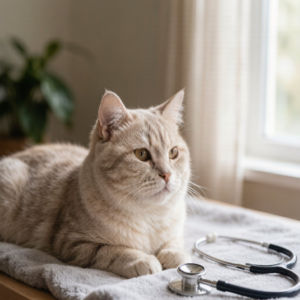
Whether a cat develops those rounded, full cheeks (often called "face fluff") depends mostly on sex, genetics, and breed. Female cats rarely fill out this way; it is usually intact male cats that do. Breeds such as the British Shorthair, American Shorthair, Exotic Shorthair, Persian, Chinchilla, and orange tabby are naturally prone to it, while hairless cats, Devon Rex, Russian Blue, Siamese, Oriental, and calico domestic cats tend to stay slender-faced. Most male cats begin filling out between six and eight months of age, and a son of a full-cheeked father is more likely to follow suit. Good nutrition during this window makes the difference.
How Long Do Rabbits Live?
A rabbit's lifespan depends on breed, genetics, diet, environment, daily care, and disease prevention. To extend it, give your rabbit a good home, proper diet and care, and timely health attention. With a clean environment, scientific feeding, and routine care plus prevention, you can greatly lengthen a rabbit's life and share more happy years together.

What Colors Can Dog Eyes Be?
Dog eye colors vary widely: brown, black, and blue are most common, while green and gold are rarer, and some dogs show heterochromia, or two different-colored eyes. Color is genetic, but age, health, and environment can change it over time. Puppies are born with light eyes that darken with age. Whatever the shade, each pair is unique, so watch and care for your dog's eyes, cleaning them regularly and seeing a vet at the first sign of trouble.
What Colors Can Cat Eyes Be?
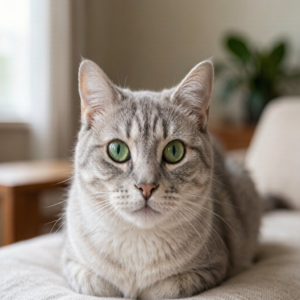
Cat eyes come in yellow, orange, green, gold, gray, and amber, with blue as a rarer shade. Color is set by genes through iris pigmentation and light refraction. The iris has two pigmented layers, the stroma and the epithelium, and the number of melanocytes decides the hue while their activity sets the depth; without melanocytes the eye looks blue. Green and gold are most common, blue is uncommon and often seen as elegant, and a kitten's eyes start blue before settling into their true color. Illness or injury can dull the shine later in life.

Causes and Treatment of Eyelid Entropion in Dogs
Eyelid entropion is a common eye problem in dogs, often caused by genetics and eye disease. The right treatment depends on how severe it is, and with proper care it can be controlled and managed. Mild cases are usually treated with medication, while severe entropion needs timely surgery. Keeping the eyes clean helps reduce the chance of entropion developing.
Can a Cat’s Personality Change?
A cat's personality can shift under certain conditions, influenced by negative experiences, health, age, and genetics. For example, a once sunny cat may become timid or depressed after abuse or the loss of a companion. To keep a cat's character stable and healthy, provide a steady environment, proper socialization, and plenty of affection.
The Effects of Hamster Inbreeding
Inbreeding hamsters is risky: it raises the chance of inherited disease and genetic defects, lowers genetic diversity so offspring get sick more often, and tends to produce weaker, less intelligent pups with higher death rates and reduced fertility. The main reason breeders do it is to lock in a pure bloodline, but the uncertainty is high. For home keepers, the safe choice is to avoid inbreeding entirely, separate males and females into different cages, and if you do plan a litter, pick two healthy, unrelated hamsters and breed them between 5 and 10 months of age.
Early Warning Signs of Heart Disease in Dogs
Heart disease isn’t only an old-dog problem—clinics see four- and five-year-olds, even two-year-olds, with valve disease or myocardial hypertrophy, especially in small breeds like Toy Poodles and Pomeranians. Early on there are almost no symptoms; by the time coughing, fainting, or a purple tongue appears, the disease is usually advanced. Under the ACVIM staging system, Stage B1 is the “golden window” most owners miss: subtle structural changes with no heart failure yet, showing only quiet behavioral shifts like less activity or a changed sleeping posture. Catching it then—often without medication—can keep a dog stable for life. This article outlines the staging, the early behavioral signs, and the daily care that protects a vulnerable heart.