Search Results
436 results for “gastrointestinal”
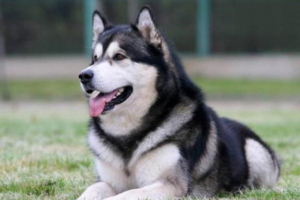
Symptoms and Signs of Leptospirosis in Dogs
Canine leptospirosis can cause high fever, vomiting, diarrhea, and other gastrointestinal symptoms that seriously affect a dog's health. The most reliable way to prevent it is vaccination, which effectively protects against leptospirosis. Consult your veterinarian and have the dog vaccinated on schedule.

Are Probiotics Really Good for Cats?
Just woke up and the kitten vomited again—quick, some probiotics. Soft stools? Some probiotics. Poor appetite in summer? Some probiotics. But are probiotics really good for cats?

What Are Feline Coccidia, Tritrichomonas, and Giardia?
Coccidia, tritrichomonas, and giardia usually cause gastrointestinal symptoms in cats, like diarrhea and blood in stool. Here's an introduction.

Symptoms of Canine Distemper
Canine distemper is a highly contagious disease in dogs. Once a dog is infected and shows obvious symptoms, it needs immediate veterinary care.

What Causes Abnormal Bleeding in Cats
Abnormal bleeding in cats is also called feline coagulopathy, occurring when normal bleeding happens due to a clotting disorder. This article explains why cats bleed abnormally.

What Is Feline AIDS and Its Symptoms
A cat with feline AIDS is also nicknamed a 'prodigal cat,' and for good reason. This article explains what feline AIDS is and the symptoms a cat shows if infected.

Don’t Ignore Your Pet’s Gut Health
What are the basics of cat and dog gastrointestinal health?

Symptoms and Treatment of Feline Distemper
Feline distemper, also called feline panleukopenia or feline infectious enteritis, is an acute, highly contagious disease in cats. A cat with distemper shows: reduced white blood cells, reduced appetite, soft stool, vomiting, fever, dehydration, and other symptoms.

The Effects of Atropine on Cats and Dogs
Atropine is commonly used to block the effect of certain nervous-system impulses (acetylcholine) on receptors throughout the body. In animals such as dogs and cats, it is most often used in surgical anesthesia to prevent the adverse effects of nervous stimulation.

Dog Diarrhea: Causes and What to Do
Normal dog stool is formed brown 1-2 times daily; diarrhea is soft/watery, more frequent, sometimes with blood or odor, and low energy. Causes range from diet and stress to viruses, bacteria, parasites, IBD, and tumors; fast, probiotics, and vet care by severity.