Search Results
16 results for “gastrointestinal motility”

Common Gastrointestinal Diseases in Cats
Many diseases can affect the gastrointestinal (GI) tract. Symptoms such as vomiting or diarrhea are common in GI disorders. Regurgitation (the effortless expulsion of stomach fluid, mucus, and undigested food from the esophagus) is frequent in esophageal disease.
My male cat started vomiting on the third day after neutering—it brings up undigested kibble. What’s wrong?
Vomiting on day 3 after neutering is abnormal; within 24h it's anesthesia affecting gut motility causing reflux. Day-3 vomiting may be hairballs, throat injury, indigestion, or stress. If once or twice with yellow fluid/undigested food, try probiotics and anti-inflammatory; if hairball, give hairball paste; if frequent, see a vet.
The vet did an ultrasound on my cat; why is my cat’s belly enlarged?
An enlarged belly can be from gas, constipation, ascites, organ enlargement, tumors, or pregnancy. The X-ray shows stool and gas in the intestines, suggesting digestive issues, bloating, constipation. Combine with other tests. If stable, give probiotics and digestive aids; if poor, follow vet's advice.
My lamb has a bloated belly and cannot pass stool, it is very large, only days old
Newborn lamb constipation is usually caused by cold-damp exposure, lack of colostrum, overfeeding, or grain overload that weakens gut motility. A vet should give a warm soapy water enema.
Why does my cat keep twitching like it’s hiccupping?
A cat that twitches like hiccupping may have eaten too fast or has food stuck in the esophagus - it usually passes as the food goes down. It can also come from excess stomach acid, bloating, food buildup, slow gut movement or reflux esophagitis. If twitching is followed by regurgitation or vomiting, see a vet for possible esophagitis, pyloric stenosis or GI disease. Frequent twitching without vomiting may point to allergic asthma, chronic bronchitis, pneumonia or heart issues. Hairballs trying to come up cause this too - give hairball paste or cat grass regularly.

Understanding Why Dogs Eat Grass
It is normal for a dog to eat grass during a walk; this is a normal activity for dogs, and you need not worry about the dog's appetite or bowel movements.

Treatment of Intestinal Obstruction in Dogs
Intestinal obstruction in dogs is caused by a narrow lumen, volvulus, intussusception, paralysis, or spasm that blocks passage of gut contents. It may be partial or complete, with severe pain and clear systemic signs. Here is how it is treated.

Does Vomiting Hairballs Harm a Cat?
Hairball vomiting is a common cause of cat vomiting. Because cats groom so much, hair builds up in the stomach and forms hairballs; frequent vomiting can then harm the body. Here is what you should know about it.

How to Support a Cat with a Sensitive Stomach
Some cats have notoriously delicate digestions—the so-called glass stomach—prone to soft stools, diarrhea, and vomiting. The key to managing it is diet. Choose a limited-ingredient, single-protein hypoallergenic food, feed small meals several times a day, and always transition new food over seven days. Pet-specific probiotics (mixed into water below 40°C so the live cultures survive) help rebalance gut flora, while a calm, low-stress home prevents flare-ups. If symptoms persist or worsen, a vet check and possibly a prescription gastrointestinal diet are the right next steps.
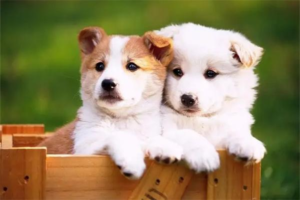
Why Dogs Refuse to Eat
There are many reasons a dog refuses food - improper feeding, a monotonous diet, indigestion, lack of exercise, low mood, being in heat, or illness. Address the specific cause with a targeted solution. To prevent anorexia, feed sensibly, choose high-quality kibble as the staple, and vary the diet so the dog doesn't lose interest in food. Also feed on a fixed schedule and portion to build good eating habits.