Search Results
15 results for “fur plucking”
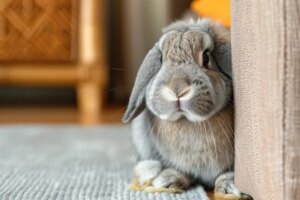
Care Before and After Plucking a Long-Haired Rabbit’s Fur
Before plucking, comb the fur to prevent matting. After, strengthen feeding with digestible, nutritious feed and add some vitamins. This article covers more tips and cautions for plucking long-haired rabbits.
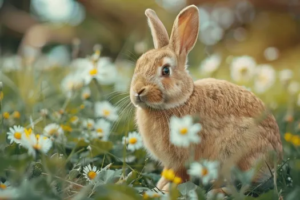
How to Prevent and Treat Fur-Pulling Syndrome in Long-Haired Rabbits
Plucking wool from long-haired rabbits stimulates the skin and speeds up wool growth, but improper technique or timing can damage the hair follicles and lower both growth rate and yield. Disinfect tools and give dexamethasone before plucking, and treat any fungal or mite infection promptly with griseofulvin or ivermectin. Harvest on a roughly 75-day cycle—shorter in summer—groom regularly, supplement feed beforehand, and keep the rabbit warm afterward.

Why Rabbits Lose Fur
Rabbit fur loss usually points to poor nutrition, mange mites, ringworm, or bacterial skin disease — each with its own treatment, from mineral supplements to antiparasitics and antifungals. Clear away loose fur and check feed for trapped hair so the rabbit doesn't swallow it.
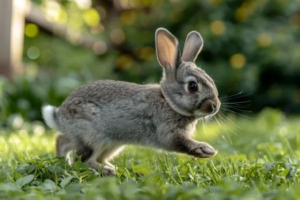
What to Note When Plucking Long-Haired Rabbits
Long-haired rabbits yield much wool, a main fur breed. If you keep one, learn shearing. Plucking is not simple - many notes. Here they are.
Why does my hamster pluck its fur frequently
Frequent fur plucking may be a nutrient deficiency (supplement nutrition), stress (calm it, quiet dry cage), or parasites (itching, deworm). Address the specific cause.
What happens if a hamster’s fur is plucked
Plucking fur damages follicles and skin, risks infection and permanent hair loss, and removes warmth. It is also painful and can leave the hamster distrustful.
How to Clean Your Cat’s or Dog’s Ears
A buildup of ear wax or ear mites usually means cleaning has been neglected. A regular routine keeps the canals clear of dirt and moisture, prevents infection and parasites, and only takes a few gentle steps.

Signs That a Rabbit Is Approaching Labor
A kit's birth is joyful but demanding. Knowing the pre-labor signs helps you prepare for kindling. Here are the signs a doe is about to give birth.

Otterhound
The Otterhound, originally from Britain, is a tall, rough-coated scenthound with an extremely keen nose and a curious interest in scents. Gentle and calm, its magnificent head shows great power and dignity, and its strong body and long stride let it work for long periods.

West Highland White Terrier
The West Highland White Terrier, or "Westie," originated in the 19th century in the western Highlands of Scotland. A pure-white terrier with a fox-like appearance, it was originally bred to hunt otters, foxes, and rats.