Search Results
660 results for “fur eating”
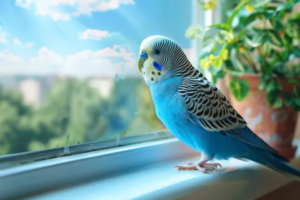
Can a Sulfur-Crested Cockatoo Learn to Talk?
Sulfur-crested cockatoos can learn to talk, but their mimicry is weak compared with other parrots, and they manage only simple words. Training takes patience and works best when started young, around two months. Train in the early morning when the bird is active and hungry, use food rewards, keep the room quiet, and begin with short phrases like 'hello' or 'thank you,' repeating the same line daily until learned. A recorder can help. These loud, large birds also need a roomy, sturdy cage and a calm home to stay healthy.
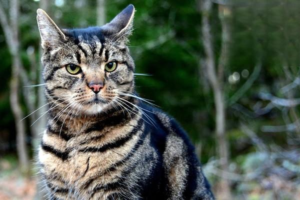
Why Does a Siamese Cat’s Fur Turn Black?
A Siamese cat's coat darkens for a reason that has nothing to do with sunlight: it is driven by temperature. These cats carry a variant of the TYR gene that limits production of the enzyme tyrosinase, which only works properly in cooler areas of the body. As the weather turns cold, the points, face, and ears grow darker, sometimes leaving a near-black 'mask.' The change is largely genetic and cannot be reversed, but keeping the cat warm and limiting iron-rich foods such as liver can slow the process. This article explains the science and what owners can realistically do.

Preventing and Treating Cat Chin Acne
Black chin, or feline acne, is folliculitis like human acne, showing as coal-like specks on the chin and tail. Causes include too much dietary fat, heat-cycle hormone shifts, poor cleaning, and oily skin type. Mild cases clean with salt or green-tea water and antibiotic ointment; severe tail cases use diluted sulfur soap. Pet antiseptic wash also helps.

Preventing and Treating Frostbite in Rabbits
Rabbits can be frostbitten or freeze to death in severe cold. Frostbite usually hits thin-skinned, low-fur areas at the body's extremities, and hairless breeds, hungry or tired rabbits, and young kits are most vulnerable. It is graded in three levels, from red, swollen skin to blisters and, at its worst, dead tissue and death. Prevent it with a warm, dry, well-bedded hut and sturdy animals; treat mild cases with oils or iodine, and severe cases with antibiotics and supportive care.
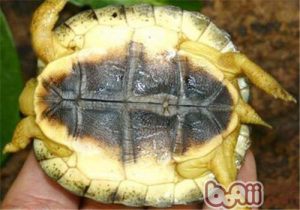
Furrowed Wood Turtle
The furrowed wood turtle (Rhinoclemmys areolata) is an aquatic, strong-swimming turtle from the Yucatán Peninsula. Omnivorous but plant-leaning in the wild, it is scarce in the pet trade and can be difficult to acquire.
My two-month-old kitten has sparse fur, won’t eat, had blood-sucking bugs, and is now weak and gasping with eye discharge — is it dying?
From your description this is likely anemia and malnutrition from not eating and a parasite infestation, plus dehydration and weakness; the flea spray you used may also have caused toxicity. The kitten's condition is critical — take it to a vet immediately for IV fluids, energy, and water, plus treatment for whatever else is wrong.
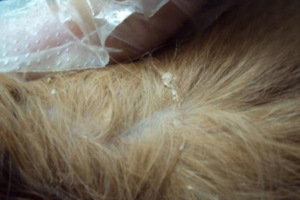
Is Matted Cat Fur a Sign of Skin Disease
Matted fur isn't automatically a skin disease; often it just means the coat wasn't brushed. But mats trap moisture and oil, creating a breeding ground for infection, and ringworm or an old wound can also cause clumping. Regular grooming and the right ringworm care keep the skin healthy.

Cat Suddenly Stopped Eating and Looks Lethargic
When a cat refuses food, loses energy, and wastes away for three to five days, the gut is usually involved. Hairballs, overeating, parasites, or gastritis are common culprits. A bland, scheduled diet and the right supplement often bring the appetite back.

Mouth Ulcers in Rabbits
Rabbits with mouth ulcers develop small blisters, red swollen gums, drooling, and bad breath, and the pain makes eating difficult. Softening the diet, keeping the mouth clean, and offering chew toys to wear down overgrown teeth all help the ulcers heal. Because a rabbit's teeth grow continuously, unchecked overgrowth can lacerate the oral tissue and trigger the ulcers in the first place.

Pet Vomiting (Part 3): Vomiting from Internal Parasites and Toxicity in Dogs and Cats
Internal parasites living in a dog or cat's gut irritate the intestinal lining and trigger vomiting, sometimes expelling visible worms. Food poisoning causes far more violent vomiting along with seizures and drooling, and demands immediate induced vomiting and gastric lavage. Routine deworming and keeping toxic foods — onions, grapes, chocolate, macadamia nuts — out of reach are the best defenses.