Search Results
660 results for “fur eating”

What to Do for Anemia in Cats
Anemia refers to a low red blood cell count. It can be caused by many different blood problems, including blood loss, damaged red blood cells, and insufficient red blood cell production.

What to Do If Your Dog Eats Rat Poison
Depending on the amount, type, and timing of rodenticide ingestion, some pets can be treated on an outpatient basis while others require hospitalization. Treatment for rodenticide poisoning may include one or more of the following approaches:

What to Do for Feline Liver Failure
The veterinarian will perform various tests to diagnose liver failure and rule out other diseases that may cause similar symptoms. Obtaining a complete history, describing clinical signs, and a thorough physical examination are all important methods for reaching a diagnosis. In addition, a liver biopsy is necessary in some cases to obtain a definitive diagnosis. Your veterinarian may recommend the following tests to rule out other diseases and confirm the diagnosis of liver failure.

Diagnosis and Treatment of Dog Near-Drowning
Near-drowning is defined as survival for more than 24 hours after being fully submerged. This article explains the stages of near-drowning, how fresh and salt water differ, and the diagnostic tests and treatments veterinarians use.

Causes and Diagnosis of Dehydration in Dogs
Dehydration can be caused by many diseases or abnormalities, which fall into two broad categories: reduced fluid intake and increased fluid loss. This article explains the common causes and how veterinarians grade dehydration severity by skin elasticity and lab tests.
Treatment of Feline Hyperthyroidism
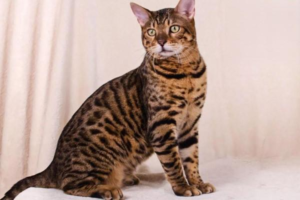
Treating feline hyperthyroidism may involve one or more of several approaches, starting with medication. This article covers methimazole, surgical thyroidectomy, radioactive iodine (I-131) therapy, and supportive follow-up care.

Symptoms and Diagnosis of Feline Hyperthyroidism
Hyperthyroidism is a very common disease in older cats and produces a range of symptoms. This article describes the clinical signs and the diagnostic tests, including T4, free T4 by equilibrium dialysis, chest X-rays, and technetium-99m scans, used to confirm it.

Can Cats Eat Grass? Benefits, Risks, and Growing Cat Grass
Many cats nibble grass, and it isn't necessarily a problem — grass can supply folic acid and fiber and help with hairballs. The real risks come from lawn chemicals and toxic houseplants. Here is the safe way to offer it.

What to Do If Your Dog Is Choking
Choking is a common emergency, but its signs are often mistaken for coughing or vomiting. Knowing the causes and symptoms helps you give the right first aid and get your pet to the vet fast.

Can Cats Have Caffeine?
Caffeine is toxic to cats—even tiny amounts can be fatal, with side effects appearing at about 14 mg per pound of body weight. Keep coffee, tea, beans, grounds, and caffeine pills out of reach, and seek emergency care if you see restlessness, a rapid heart rate, or seizures.