Search Results
660 results for “fur eating”
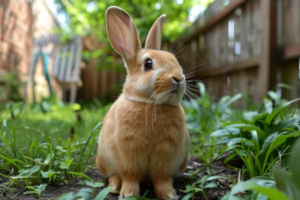
How to Feed a Panda Rabbit, and What to Watch For
The panda rabbit, also called the Dutch rabbit or Dodge rabbit, has white fur with built-in 'dark eye patches', earning the panda nickname and growing popular in China. But raising one is not as simple as it seems; diet needs special care. Here is how to feed a panda rabbit and what to note.
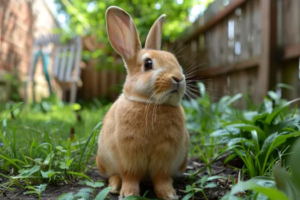
What to Prepare Before a Doe Rabbit Gives Birth
Before a doe gives birth, prepare well; how ready you are directly affects the kits' survival, since does eating kits or kits freezing are not rare. What should you prepare? Let's look.

How to Pick a Healthy, Gentle Guinea Pig
With their cute looks and quiet, easy-going nature, guinea pigs have become one of the most popular small pets. Before bringing one home, learn how to pick a healthy, gentle guinea pig so you do not end up with a sick or weak one.

How to Care for a Puppy
A puppy's body is fragile and it lacks self-care, so it needs devoted attention. Managing a puppy centers on two things: controlling the environment temperature and stimulating elimination. Here is how to raise and manage a puppy.

Why Is Your Budgerigar Lethargic and Sleeping All the Time?
A budgie that is low on energy and sleeps constantly may be reacting to the weather, or it may be lacking attention or falling ill. Watch its eating and overall condition closely; if you spot abnormal symptoms, treat promptly to keep the problem from worsening.
How should a Pomeranian be groomed?
Daily grooming for a Pomeranian requires attention to a few key points. Because their coat is dense, it needs daily brushing with a pin brush and comb to prevent matting and shedding. Their sensitive skin means baths should be limited to about once a month using pet-specific shampoo and conditioner.

Benefits and Risks of Spaying or Neutering Your Rabbit
A rabbit in season can spray urine, chew furniture and wires, turn irritable, and even bite. Spaying or neutering curbs these behaviors and also prevents over-breeding and lowers the risk of reproductive cancers, extending a doe's life. The procedure does carry surgical risks—anesthesia, wound infection, and slowed gut motility—but they are low in experienced hands, and timing matters most.

Are Chinchillas Prone to Heatstroke? How to Treat It
Chinchillas are very heat-prone: their thick Andean coat resists cold but they have few sweat glands, so heat and humidity quickly cause fatal heatstroke. Cool a stricken pet with ice and a fan, wipe alcohol on thin-furred spots, give a cooling remedy, and rehydrate — and keep the room below 28°C, ventilated, and shaded in summer.

Chinchilla Heatstroke: Symptoms and Emergency Care
Chinchilla heatstroke happens when heat and humidity stop the body from shedding heat, and severe cases are fatal fast. Watch for lethargy, unsteady standing, or coma; for mild-to-moderate cases move the pet to a cool place, apply cooling balm, and give a heat-relief fluid, while severe cases need glucose and a vet.

Chinchilla Behavior and Diet: Habits and Feeding Guide
Chinchillas are hardy, heat-sensitive rodents from the Andes that need a cool environment (8–22°C) and a hay-based diet. Feed mostly timothy and alfalfa hay to wear down continuously growing teeth, add a little pelleted food and fresh water, and limit sugary snacks.