Search Results
660 results for “fur eating”

Peruvian Satin Guinea Pig
The Peruvian Satin guinea pig differs from other guinea pigs mainly in its coat, which grows toward the head and covers it, with a satin-like sheen. Its habits and diet are much like ordinary guinea pigs, but it is more delicate and prone to disease, so it is kept mainly as an ornamental pet.

White Crested Guinea Pig
The White Crested guinea pig, also called the white-crested Dutch pig or cavy, is gentle, alert, and lively like many guinea pigs, making it a great household pet. Its defining feature is an all-white body with a crest-like swirl of hair on the head.

Flemish Giant
The Flemish Giant is the largest pet rabbit breed in existence today, originally from Belgium and later developed through breeding programs in the United States. Though a giant by rabbit standards, it is kept as a gentle family companion, but its large size and hearty appetite make it best suited to owners with plenty of space.
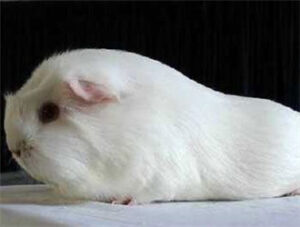
Satin White Crested Guinea Pig
The Satin White Crested Guinea Pig is all snow-white with glossy, smooth fur like satin. It has a crest-like whorl on its head, a very special look.
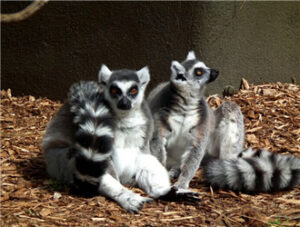
Lemur
The lemur (Lemur) is a relatively primitive primate. Most lemurs today live in eastern Madagascar, and their distinctive trait is that, as mammals, they possess echolocation ability. Madagascar off the coast of Africa is the lemur's last refuge; apart from this island, this primate with its beautiful large eyes has disappeared from everywhere else on Earth.

Huangshan Squirrel
The Huangshan squirrel, as its name suggests, is a squirrel species native to Mount Huangshan in Anhui Province, China. It prefers wooded habitats and is agile, alert, and light on its feet. It is mainly distributed across Anhui, Zhejiang, and Hubei, among other regions.

How to Prevent and Treat Sore Hocks in Rabbits
Rabbit sore hocks are caused by mite infection, wire-floor abrasions, or a dirty, damp environment — all letting Staphylococcus in. Prevent with clean, dry housing (0.3% peracetic acid spray), bamboo cage floors with ~1.2 cm gaps, and regular Staphylococcus vaccination. Treat mites with miticide plus anti-inflammation, and disinfect wounds with iodine and erythromycin ointment.

Siberian Chipmunk
The Siberian Chipmunk has the habits of storing food and hibernating; hibernation occurs in the wild, while in warm indoor captivity it does not need to hibernate. Wild chipmunks are mainly distributed in North China, Northwest China, and Northeast China. Their fur is of good quality and attractive.

Slow Loris
The Slow Loris (Loris tardigradus) is a small prosimian of the family Lorisidae and genus Loris. It is nocturnal, moves slowly, and prefers to rest atop tree branches. In recent years, due to habitat destruction, hunting for use in traditional medicine, overhunting, and its own biological traits, it is on the brink of extinction.

Symptoms and Management of Asthma in Dogs
Dog asthma ranges from a dry cough and gasping to rapid breathing, fever, and a fast heartbeat; a purple tongue means rush to a vet. It can't be cured, only controlled with vet-prescribed medication and a daily yeast tablet, while avoiding smoke, perfumes, and hard exercise. Prevent it with a thinner summer coat, airy clean bedding, regular bathing, a low-salt diet with some pork (vitamin B), and avoiding pollen-heavy walks.