Search Results
660 results for “fur eating”
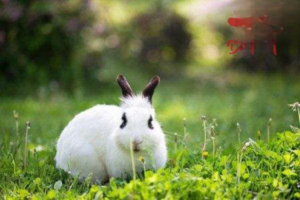
Taboos to Avoid When Raising Rabbits on a Farm
Good rabbit husbandry means avoiding common mistakes: keep the hutch dry and quiet, control heat, vary the diet, feed measured amounts, transition feed gradually, and never serve spoiled feed or skip nighttime feeding and water. Following these basics lowers disease risk and keeps rabbits thriving.
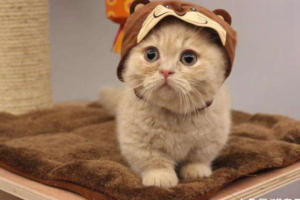
Can You Wipe a Cat’s Bottom, and How Should You Do It?
A cat's bottom rarely needs wiping—cats groom themselves and their firm, low-fiber stools seldom stick. Only cats that cannot clean themselves (kittens, obese, long-haired, old, or sick with diarrhea) need help, using trimmed fur, a soft wipe, and a dry pat to avoid infection.

How to Regulate a Dog’s Stomach When It Often Has Diarrhea
A dog's frequent diarrhea may be caused by diet or intestinal parasites. It can usually be regulated through diet, exercise, and deworming prevention, but the owner needs to regulate according to the dog's specific situation to be simpler and more effective. For the specific content of how to regulate a dog's stomach when it often has diarrhea, please read on with us!

How to Identify Pododermatitis (Sore Hocks) in Rabbits
Many owners raise rabbits in dog cages, but rabbits raised this way are prone to pododermatitis. Perhaps some owners know to put padding on the cage floor, but if the padding quality is poor or the method is wrong, it will still cause rabbits to get pododermatitis. Rabbit pododermatitis can be treated, but it is troublesome to treat. Below we detail the identification and treatment of rabbit pododermatitis, hoping to help you.

The Necessity of Feeding Hay to Rabbits
Eating hay is necessary for rabbits. Even if the rabbit food the owner usually feeds is good, hay must still be provided. Many people wonder why hay is so important to rabbits. Below we tell you about the necessity of rabbits eating hay. Why must pet rabbits eat hay?
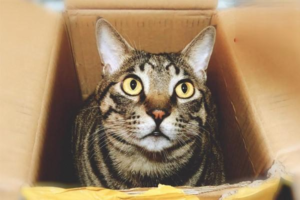
What Causes Bloody Stool From Cat Colitis
Bloody, foul cat stool usually means colitis—from diet change, foreign objects, bacteria, parasites (coccidia, Giardia), drugs, or allergies. Treatment pairs diet and probiotics with targeted antiparasitic, antiallergy, and antibiotic care.

Treatment Methods for Rabbit Pododermatitis (Sore Hocks)
Rabbit pododermatitis (sore hocks) is quite common, so it is important for owners to learn how to treat it. It must be treated early, otherwise the impact and the time needed for a cure will be greater. Today we share some treatment methods for rabbit pododermatitis, hoping they help!
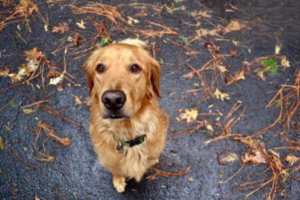
How to Treat Dog Myocarditis
Canine myocarditis is a common heart disease where the heart muscle is over-excitable and its pumping weakens. It comes in acute and chronic forms with different signs. Treatment is symptomatic, targets the root cause, and needs good aftercare.

Rabbit Bloat and Food Accumulation: Signs & Relief
Rabbit bloat from food accumulation shows as a growing belly, refusal to eat, and gurgling sounds. Relief: stop pellets, offer timothy hay, massage the belly, give celery, and watch for mucus that signals enteritis.
Difference Between Ordinary and Pasteurella Conjunctivitis in Rabbits
Ordinary and pasteurella conjunctivitis show similar symptoms but need different treatment; wrong direction causes relapse or worse. This article explains the differences.