Search Results
660 results for “fur eating”

Black Spots on Your Cat’s Nose: Dirt or Something Serious?
About 90% of black marks on a cat's nose sit along the bridge, are greasy food grime that wipes away to reveal clean skin, and are completely harmless. But specks inside the nostrils with sneezing or discharge point to an infection such as a cold or feline herpesvirus, and dark patches on the bridge or sides of the nose often mean ringworm — both warrant a vet visit.

Cat Chin Acne (Feline Folliculitis): Symptoms and Treatment
The "black chin" is feline folliculitis — overactive sebaceous glands clogging the pores, essentially the same as human acne. Most cases are mild and clear up with saline wipes, a diet lower in oil, and swapping plastic bowls for ceramic or stainless steel; neutering also helps by steadying hormone levels.

Common Dog Paw Problems and How to Treat Them
A dog's paw is a complex, useful structure — shock absorption, sweating, warmth, digging, self-defense — but its many folds and hairs trap debris, so it easily reddens, inflames, sheds fur, or even ulcers and oozes. The main paw troubles are injuries from sharp objects, cracked pads, bacterial or fungal infection, and eczema. Trim nails, wipe paws after walks, and see a vet for deep or infected wounds.
What Is a Feline Ear (Pinna) Hematoma?
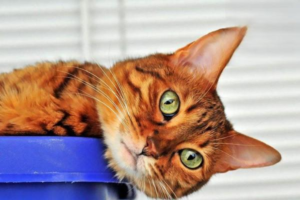
An aural hematoma is a blood-filled swelling under the skin of the ear flap, usually on the concave side, caused by a cat scratching its ear, bites from parasites such as ticks and lice, or fights with other cats. Small ones are drained and bandaged, while large ones need surgical drainage and sutures; treating the underlying ear mites or otitis is what keeps it from coming back.

Why Does a Dog Have Body Odor?
A dog's smell comes from the skin, mouth, ears, and gut — normal odor is light, but a strong smell means poor cleaning or a health problem. Infected wounds or fleas, ear yeast (fruity) or mites (rank), and gas from spoiled or soy-heavy food or fast eating are the usual culprits, so clean mouth and ears regularly and see a vet if the odor persists after a full wash.

Is It Normal for a Kitten to Drink a Lot of Water?
A cat that suddenly drinks far more than usual is usually responding to either diet or disease. Dry or salty food can temporarily raise intake and tends to self-correct, but persistent thirst often signals a medical problem — most commonly chronic kidney disease, Cushing's disease, pyometra, or diabetes. Any unexplained spike in drinking warrants a veterinary check.

Causes of Rabbit Pica
Rabbit pica — the compulsive eating of non-food items such as fur, bedding, or newborn kits — usually arises from a mix of behavioral, environmental, nutritional, and health factors. Cage confinement, stress, poor husbandry, low fiber or mineral gaps, and skin parasites are the most common triggers. The fix starts with finding the root cause: a calm, clean enclosure, plenty of hay, added minerals, and prompt parasite treatment.
Symptoms of Stomatitis in Rabbits
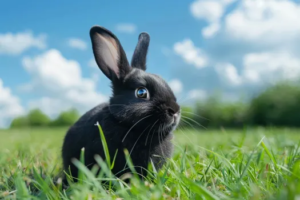
Rabbit stomatitis shows as red, swollen gums, mouth blisters, and mucosal ulcers that make chewing painful, so the rabbit drools, stops eating, and can waste away or dehydrate. Soften the diet, keep the mouth clean, and—above all—prevent it by avoiding a monotonous diet that lacks B vitamins.
Why Older Cats Are Prone to Hyperthyroidism
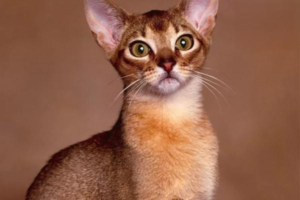
Hyperthyroidism is the most common endocrine disease in cats, especially those over 8, caused by an overactive thyroid flooding the body with hormone and stressing every organ. Look for weight loss with a ravenous or fading appetite, restlessness, a fast heart rate, and more; it's very treatable with medication, surgery, radioiodine, or an iodine-restricted diet, and early care brings a good outlook.

What to Do When a Kitten Catches a Cold
Kittens catch colds easily from seasonal changes or contact with sick cats, and the smallest ones have the weakest immunity. Watch for a dry, warm nose, sneezing, coughing, runny eyes, and loss of appetite, then check the temperature, adjust the diet, encourage sunlight and ventilation, and use cold medication as needed.