Search Results
336 results for “fungus”

How to Reduce Shedding in a Pug
Pugs shed, but how much depends on daily care. Over-bathing, human shampoo, too little sunlight, and poor diet all make shedding worse, while regular brushing, good nutrition, and quick attention to skin trouble keep the coat under control.
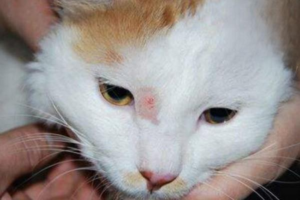
How to Tell If Your Cat Has Ringworm
Ringworm shows up as patchy hair loss with red, irritated skin and itching. Start by checking the ears, since that damp area is a favorite spot, and watch whether the bare patches keep spreading — expanding lesions mean it is time for a vet visit.

How to Tell If Your Cat Has Mites
The hallmark of a mite infestation is intense itching with irregular red patches and hair loss. Unlike ringworm's neat circular rings, mite damage looks blotchy and worsens the more your cat scratches, sometimes progressing to blisters and discharge.

What Medicines Treat Cat Skin Disease?
Cat skin disease usually comes from environmental fungus or skin-surface parasites. Treat it promptly once spotted. Fungus shows as intense itch, biting and bare oval rings; parasites cause sudden hair loss, red dots and scabs. A collar, clip, disinfect and antifungal routine clears most cases.

Can Dog Ringworm Spread to Humans, and How Likely?
How easily dog ringworm passes to people depends on immunity—those with weak resistance face a real risk, so be careful during treatment. Wash hands after every contact; human infection appears as round red spots, scaling and itch.

What to Use for a Kitten’s Skin Problem
Kittens get skin disease often; first identify whether it's fungal or parasitic, then treat it specifically. Fungus shows as circular bald red rings, parasites as scabs and red dots. Clip, disinfect and apply an antifungal spray and ointment, then deworm once healed.

How to Spot Ringworm on a Ragdoll Cat
Ragdolls get ringworm like any cat, usually from a home with fungal spores or contact with an infected cat. Watch for relentless scratching, biting at the tail, hair loss, scabs and small red bumps. Treatment runs five to six weeks and needs consistency.

Why Is the Skin Around My Cat’s Mouth Red?
Redness around a cat's mouth is a sign of skin trouble, usually falling into one of three types: allergic, fungal or parasitic. Match the treatment to the cause—soothe allergies, fight fungus with an antifungal spray, ointment and medicated shampoo, or control parasites. A vet confirms unclear cases.
How do you treat a Poodle’s skin condition, and what medicines work best?
Treating a Poodle's skin condition starts with a vet skin scraping to identify the type — fungal, bacterial, parasitic, allergic, or endocrine. Treatment is then matched: antifungal ointment for fungus, antibacterial spray and oral meds for bacteria, parasite control for external parasites, antihistamines for allergic dermatitis, and gradual management for endocrine issues. Use an Elizabethan collar and keep the bedding clean.
My Poodle has a fungal infection, is very itchy, and is losing hair — how should I treat it?
For a confirmed fungal ear infection, disinfect the area with an antiseptic solution, then apply a vet-recommended antifungal ointment. Also check the whole body for spread; if unaffected, a medicated antifungal bath helps prevent other areas from being infected.