Search Results
323 results for “frequent urination”
What are the symptoms of pyometra in female cats?
Pyometra is a serious uterine infection in unspayed female cats. Common signs include fever, increased thirst and urination, a swollen abdomen, and a brown discharge from the vulva. Open-cervix cases may be treated medically, while recurring cases require spaying surgery.

What Are the Signs That a Dog Feels Guilty?
A guilty dog often lowers its head, avoids eye contact, stiffens its body, pins its ears back, and tucks its tail, and may try to appease you with frantic licking or by offering a toy. This guide explains the common signs of canine guilt and how to correct misbehavior with positive reinforcement rather than punishment.
How to Stop Your Cat from Peeing on the Bed
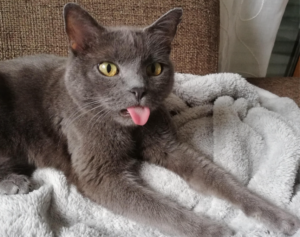
Finding a yellow wet spot on the bed is every cat owner's nightmare. Before anything else, rule out disease: feline lower urinary tract disease (FLUTD) makes urination painful, so cats link the box with discomfort and seek softer spots like the bed. If peeing comes with straining, blood, or constant licking, see a vet. Non-medical causes are a disliked litter box (bad location, poor hygiene, wrong litter, too few boxes in multi-cat homes) and stress or anxiety. Fixes: upgrade the box, scoop twice daily, follow the n+1 rule, ease anxiety with play and pheromone spray, and remove the urine scent with an enzymatic cleaner plus detergent. Most cats return to normal in 2-3 weeks.

How to Prevent Diabetes in Hamsters
To lower a hamster's risk of diabetes, manage its diet strictly, provide enough exercise, reduce stress, and schedule regular checkups to protect its health. Control sugar intake, avoid overfeeding fruits and vegetables, and prevent obesity. Let the hamster exercise to burn excess energy, control weight, and build overall fitness. Dwarf hamsters are especially prone to the disease, so prevention matters from an early stage.
Male Cat Cystitis with Pink Urine: A Recovery Case
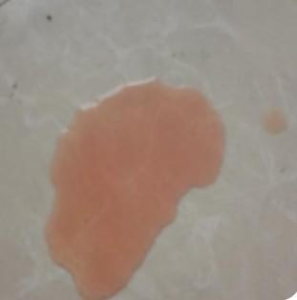
A 4-year-old male cat had on-and-off pink, blood-tinged urine—classic of cystitis, urethritis, or crystal irritation of the lower urinary tract, which causes frequent, scanty, painful urination. A diuretic to flush the tract plus an antibiotic for infection, with plenty of water and clean litter, brought normal urine color in about three days. Recurring pink urine, though, deserves a vet check for stones.

Why Does Your Cat Eat but Stay Thin? (Worms and More)
A cat that eats well but stays thin is often fighting intestinal parasites—roundworms, tapeworms, hookworms, giardia, or coccidia—that steal nutrients and release toxins interfering with digestion, causing slow or lost weight, anemia, and poor growth. Tell-tale signs include soft stools, rice-like segments near the anus, scooting, pale gums, and a swollen belly. But worms are not the only cause: poor absorption, hyperthyroidism or diabetes, repeated heat cycles, or a low-protein diet can also keep a cat lean. The fix is a tailored deworming plan plus gut probiotics and high-protein meals; spaying helps if heat is the driver. See a vet if weight keeps dropping.
Why Is My Chinchilla Peeing Outside the Litter Box?
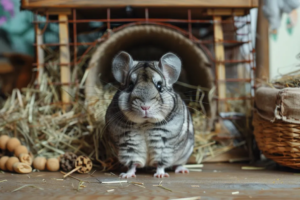
Chinchillas may urinate in the wrong places for several reasons—bad habits, low mood, estrus, territorial marking, or an underlying urinary infection. Each cause needs a different response. The key first step is to clean any accident thoroughly so the scent doesn't train your pet to reuse the spot. Feeding on a fixed schedule keeps a hungry or unhappy chinchilla calm, while separating cages and considering neutering curbs marking during heat. If urination becomes frequent or the urine looks dark, a vet check rules out infection.
Signs Your Dog Is Getting Old
A dog's life spans only a little over a decade, and aging creeps in through everyday details rather than all at once. The earliest changes are white muzzles and cloudy eyes, followed by dental trouble, shifting personality, and less stamina. Because organ function declines with age, seniors also show digestive and urinary changes. Spotting these signs early lets you give your older dog the comfort and care they deserve.

When Cat Peeing Around the House Means a Blockage
A cat suddenly urinating in odd places can signal a dangerous urinary blockage. Warning signs: pink or clear urine, frequent attempts, straining, blood, low meowing in the box, over-grooming the genitals, a sensitive belly, and only drops when the bladder is pressed. Blockage means urine output stops - under 1 mg/kg/hr is oliguria, none is a blockage. Causes: urethral or bladder stones (acid urine favors calcium oxalate, alkaline favors struvite), lower urinary tract syndrome (bacterial cystitis, urethral plugs that can kill in 1-2 days, or idiopathic cystitis that self-heals in 7-14 days if not blocked). A full blockage needs immediate vet catheterization - over 24 hours causes acute kidney failure. Prevent with more water, fewer mineral treats like dried fish, clean litter, and less stress.
Diagnosing and Treating Feline Idiopathic Cystitis (FIC)
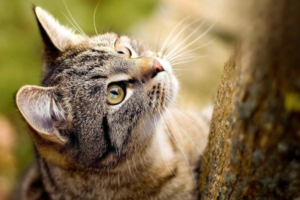
Feline idiopathic cystitis, or FIC, is a common lower-urinary-tract disease in cats whose exact cause is still unknown, yet it is the single most frequent diagnosis in young cats, affecting roughly 50 to 60 percent of cases. It is linked to a defective bladder lining, nerve-driven inflammation, and stress. Because there is no single definitive test, veterinarians diagnose it by exclusion, using the history, urinalysis, blood chemistry, and ultrasound. Most episodes ease on their own within five to seven days, but treatment focuses on pain relief, protecting the bladder lining, litter-box management, more water, prescription food, and reducing stress.