Search Results
323 results for “frequent urination”
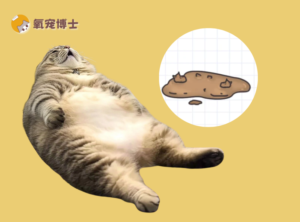
Cat Has Chronic Diarrhea? It’s More Than a Sensitive Stomach
Long-term diarrhea in cats is rarely just a 'delicate stomach' you can fix by swapping food or adding probiotics. Diet and food allergy are common, but so are parasites (some needing specific drugs), inflammatory bowel disease, and metabolic diseases like pancreatitis, hyperthyroidism, or kidney disease. Stress is a third driver. Work through the causes step by step and let a vet run the right tests.
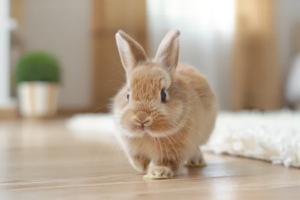
Common Urinary Tract Diseases in Rabbits
Rabbits often face urinary infections, urethral stones, and bladder stones, mostly from bacteria, low water intake, or too much calcium, while unspayed females are prone to uterine cancer. Infections show as incontinence and leaking; stones cause painful urination, blood, curling, teeth grinding, and can fully block the urethra. Bladder stones need fluid flushes and repair; urethral stones require surgery; uterine cancer needs tumor removal plus medication. Lower the risk by spaying early, keeping the habitat clean, ensuring ample water, and balancing the diet to avoid excess calcium.

Vaginal and Vestibular Tumors in Dogs and Cats
Vaginal and vestibular tumors are the second most common reproductive tract tumor in female dogs and cats, ranging from benign leiomyomas to transmissible venereal tumors. Signs include a mass protruding from the vulva, difficulty urinating, and bloody or pus-like discharge. Surgical removal is the main treatment.

Sodium Fluoroacetate Poisoning in Dogs and Cats
Sodium fluoroacetate is a deadly rodenticide that, like fluoroacetamide, blocks cellular energy production and strikes the brain and heart. Signs include vomiting, incoordination, wild running, seizures and rapid death.

Organophosphate Pesticide Poisoning in Dogs and Cats
Organophosphate pesticides block the enzyme that breaks down acetylcholine, causing a cholinergic crisis with salivation, vomiting, muscle twitching and seizures. Rapid decontamination and veterinary antidotal therapy are essential.

Urethritis in Dogs and Cats
Urethritis is inflammation of the urethra that makes urination painful and frequent, with cloudy or blood-tinged urine in severe cases. It is usually caused by a bacterial infection ascending from the lower urinary tract. Veterinary treatment with antibiotics and supportive care resolves most cases.

Urethral Injury in Dogs and Cats
Urethral injury in dogs and cats is damage to the urethra from blunt force or trauma to the perineum and penis. Signs include penile swelling, difficult urination, perineal edema, and blood in urine; timely care prevents infection and complications such as urine leakage or bladder rupture.
What should I do if my cat’s urine is very yellow and concentrated?
Yellow, concentrated urine is often from low water intake, but urinary diseases (urethritis, cystitis) can also cause it—see a vet if urination is frequent, painful, or bloody. GI illness with vomiting or diarrhea can concentrate urine through dehydration too.

Plants That Are Dangerous to Cats
Many common houseplants are toxic to cats, from lilies and pothos to sago palm and azalea. Learn the risky ones, watch for vomiting or drooling, and grow cat grass as a safe alternative.
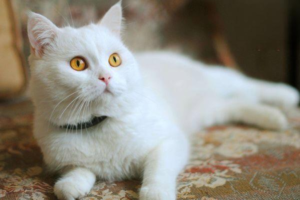
How to Calculate Your Cat’s Daily Water Intake
Cats evolved in arid environments and have a naturally weak thirst drive, so they often fail to drink enough — especially on dry kibble — which strains the urinary system. A practical rule is about 60 ml of water per kilogram of body weight per day, or roughly 1 ml per kcal eaten. Check skin elasticity, coat condition, and 2–3 daily urinations to gauge whether your cat is hydrated.