Search Results
983 results for “formula”

CoQ10 for Senior Dogs and Cats: Spotting the Signs and Picking a Reliable Supplement
As pets age, their liver makes less CoQ10, and the heart—which has the highest energy demand in the body—feels it first. CoQ10 helps power heart-muscle cells and limit oxidative stress, so a shortfall can show up as tiredness, coughing, or faster breathing. Knowing the warning signs and what a well-built formula contains helps you choose a supplement that actually supports your senior dog or cat.

Cat CoQ10 Buyer’s Guide: Reading Labels and Avoiding the Pitfalls
Roughly 15% of cats develop some form of heart disease, with seniors, flat-faced breeds, Ragdolls, and overweight or inactive cats at higher risk. CoQ10 supports cellular energy in heart muscle, but natural production drops as cats age. When choosing a supplement, the smart move is to read the label and judge the formula—not the marketing. This guide breaks down what to look for and the common traps to avoid.
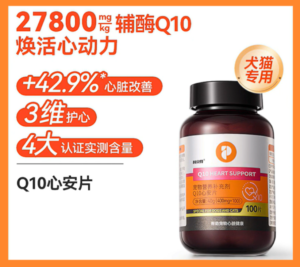
Cat CoQ10 Clinical Evidence: What a Real Comparison Shows
For high-risk breeds such as British and American Shorthair and Maine Coon cats, plus seniors, obese cats, and stress-prone cats, CoQ10 is a key heart nutrient — it supplies energy, fights oxidation, eases fatigue, and supports the heart against enlargement, exercise intolerance, and wheezing. But the category is uneven, and 'high content' claims mean little without proof. This guide explains the four points that matter, why palatability is a heart issue, and who should supplement.
What do soft-shelled turtles (bastard turtles) eat?
They love small fish, shrimp, offal, snails, aquatic insects, tadpoles, plus some veggies; use formulated feed in bulk and clean leftover food.
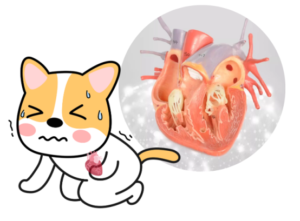
Pet CoQ10 Red/Black List Thinking: Reading the Test Data
About 10% of dogs and 7% of cats develop heart disease in their lifetime, and the early signs are easy to mistake for normal aging or a cold — until diagnosis, when the damage is often irreversible. CoQ10 is frequently advised, but 'which one' is the hard part. This guide separates the real science from the marketing: what CoQ10 actually does, the drug it cannot replace, and the four hard metrics a product should meet.

Dog CoQ10: Test Data Beats the Hype
CoQ10 is a supplement, not a drug — it fuels the heart, fights oxidation, and slows myocardial aging, but it cannot replace medication for heart disease. For an 8-year-old dog that pants on walks and coughs at night, the first step is a vet, not a bottle. There is no single 'most reliable' brand, but a few practical checks separate a working product from an expensive guess. This guide lays them out.

CoQ10 Transparency: Why ‘Stated and Tested’ Matters
CoQ10 is one of the fastest-growing pet supplements, yet a large share of what is sold may be placeholder. In some regions CoQ10 is not an approved pet-feed ingredient, so labels cannot state it — and many brands hide behind organ-meat or fish powders while promising 'high content' with no amount shown. Industry data suggests over 60% of products are mislabeled, and a 2025 blogger lab test found two of four best-sellers had no detectable CoQ10 at all. This guide explains why a stated, tested product is the only one worth buying.

Can You Give a Dog Smectite Powder for Diarrhea?
Smectite is an absorbent anti-diarrheal that soaks up excess water and toxins in the gut, and a vet-formulated version can help a dog with ongoing diarrhea from dietary upset by firming the stool. Use the correct animal product and dose, since wrong amounts risk side effects, and check with a vet first. Other options include bismuth subcarbonate, kaolin, or probiotics. Diarrhea also comes from diet changes, bacterial or viral infection, or parasites, each needing its own approach, so a fecal test and veterinary guidance are best before medicating.

When Your Pet’s Heart Is Weak: CoQ10 as Part of the Plan
Heart problems are the quiet killers of pet health — by the time a dog pants after a short walk, coughs at night, breathes from the belly, or shows purple gums, heart failure may already be mid-stage and medication-only. CoQ10 is not a cure, but it is far from a placebo: it powers heart contraction, acts as a strong antioxidant, and declines with age. This guide covers the warning signs, the breeds at risk, and how CoQ10 fits into a real care plan.
Dog CoQ10 for Seniors and Small Breeds: A Value-Minded Guide
If your dog tires after a few steps, pants often, sleeps longer, or coughs at night, that is not laziness — it is the heart asking for help. Canine heart-disease risk climbs steeply with age (about 10% at 5–8 years, 30% at 8–10, and 45% past 13), which is why CoQ10 is a staple for senior and small-breed care. This guide explains how to judge real value instead of falling for 'cheap' placebos or overpriced imports.