Search Results
983 results for “formula”

Import or Domestic Dog Dewormer? What Actually Matters
When choosing a dog dewormer, a high price tag doesn't guarantee the right fit. The real differentiators are the purity of the active ingredient, the safety of the solvent, and transdermal absorption technology—not the country of origin. Look at the approval number, concentration, and labeled indications, and pick a product your dog's body tolerates and you can use consistently.

Dog Skin Redness and Hives: A Recovery Case
After a day outdoors, a dog came home with a large red, itchy rash on its belly—likely bacterial eczema or allergic dermatitis/hives. Left unchecked, such redness spreads fast and itches intensely. With an antimicrobial skin spray, zinc oxide ointment, and an oral antihistamine, the redness faded within a few applications. Catch it early and see a vet if it spreads.

Can Cats Eat Spicy Food?
Cats should never eat spicy food. Although they may curiously sniff your plate, capsaicin, the compound that makes food hot, acts on a cat's nasal and oral membranes as a painful irritant rather than a flavor. When exposed, cats feel burning and pain, often drooling, tearing up, or sneezing, and the spice irritates their stomach lining, which can lead to vomiting, diarrhea, and dehydration. Cats are obligate carnivores with digestive systems very different from ours, and they gain no benefit from chili or strong seasonings. If your cat licks a small amount, watch closely and offer water or kitten-milk formula to soothe the gut; for clear distress such as vomiting, diarrhea, or refusing food, give pet probiotics and see a vet promptly. To keep your cat safe and healthy, stick to proper cat food and a balanced diet, and never share spicy human meals.

How to Choose a Combined Parasite Treatment for Your Cat
Even indoor cats catch parasites—fleas, ear mites, roundworms, and mosquito-borne heartworm all reach them. Combined spot-ons treat inside and out in one dose without pills, which is why they are the top choice for house cats. The real question isn't 'which brand' but 'which active ingredients fit your cat's risks.' Here is the science, minus the marketing.
How Often Should You Bathe Your Dog in Summer?
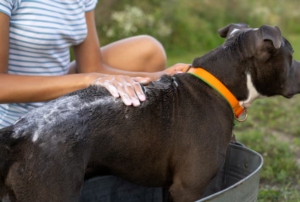
Bathing your dog once a week is usually too often. A dog's skin relies on its sebum layer to stay moist and protected; over-bathing strips it, causing dryness, worse odor, and skin infections. Frequency should follow coat type and lifestyle—indoor small dogs may need only every two to three weeks, while active outdoor dogs can go weekly. Between baths, wipes, toothbrushing, and ear care keep odor down.

What to Feed a Cat with Poor Liver Function (and What to Avoid)
When a cat's liver is struggling, feed low-burden, high-nutrition food: lean, low-copper proteins (chicken or duck breast), omega-3-rich fish (salmon, cod, sardine), and vitamin-packed vegetables (broccoli, carrot, spinach, pumpkin, blueberry) that aid cell repair. Veterinary liver-prescription diets and a milk-thistle or moringa liver supplement add targeted support. Avoid copper-heavy foods (organ meat, shellfish), high-fat and fried items, sugary or salty treats, and fatty snack packets. Feed small, frequent meals, keep water available, and transition foods gradually. Diet alone is supportive—pair it with a vet's diagnosis and treatment plan.
Signs Your Dog Is Getting Old
A dog's life spans only a little over a decade, and aging creeps in through everyday details rather than all at once. The earliest changes are white muzzles and cloudy eyes, followed by dental trouble, shifting personality, and less stamina. Because organ function declines with age, seniors also show digestive and urinary changes. Spotting these signs early lets you give your older dog the comfort and care they deserve.

How to Tell Good from Bad Bird Feed?
Choosing the best food for a pet bird matters, but the market is crowded with options of wildly varying quality. Good bird feed delivers complete, balanced nutrition—protein, carbohydrates, fats, vitamins, and minerals—made from high-quality raw materials with no harmful additives. It should also feel fresh, smell clean, stay dry, and come from a reputable, certified manufacturer with positive user reviews. You can even judge feed by your bird's droppings: firm, well-formed, slightly glossy stools mean the diet is being digested well. Finally, keep feed dry and out of direct sunlight, and feed the recommended amount to prevent spoilage and obesity. Selecting quality feed is one of the simplest ways to keep your bird healthy and happy.

CoQ10 for Dogs: Why It Matters for Your Pet’s Heart
As dogs age, heart function naturally declines, and heart disease is especially common in small breeds. Coenzyme Q10 (CoQ10) is a nutrient that helps power heart-muscle cells and protects them from oxidative damage, which is why it is widely used to support cardiac health in senior pets. Yet the supplement market is uneven—many products overstate or never verify their CoQ10 content. This guide explains what CoQ10 does for your dog's heart, how to choose a supplement with genuinely usable CoQ10, and what the current evidence says, so you can make a confident, informed choice.
Choosing the Best Dog Food for Senior Dogs (Age 7+)
Once a dog turns seven, its metabolism slows, digestion weakens, and organs such as the kidneys, heart, and liver begin to decline — so the right senior dog food matters more than ever. Look for a formula with at least 25% crude protein (30%+ is better), fat held between 8% and 15%, fiber under 9%, starch no higher than 32%, salt under 2%, and a calcium-to-phosphorus ratio of 1:1 to 2:1. Bonus nutrients like glucosamine, fish oil, and probiotics support aging joints, brains, and guts. Prefer wet food for dogs with poor teeth, transition gradually over seven days, and feed smaller meals. For dogs with heart, kidney, or diabetic conditions, a vet-guided prescription diet is safest.