Search Results
983 results for “formula”
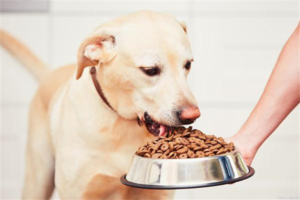
Which Dogs Should Eat Low-Fat Food?
Low-fat dog food suits dogs that need to cut back on fat: overweight or obese dogs, those with pancreatitis and similar illnesses, seniors, low-activity dogs, and dogs with sensitive stomachs. Healthy dogs can have some, but not as a long-term staple, since too little fat can harm the skin, coat, and immune system.
How do you feed newborn kittens that have just opened their eyes?
Let the mother cat nurse if possible. Otherwise use kitten-specific goat milk formula every two hours; a syringe helps kittens that cannot use a nipple. After one month, slowly introduce softened kitten food. Keep them warm.
Why Dogs with Pancreatitis Need Prescription Diet Food
Pancreatitis makes the pancreas digest itself when digestive enzymes activate too early, causing severe pain and inflammation. Treatment pairs medication with a low-fat prescription diet that eases the pancreatic workload — fat is held under 10%, uses easy-to-absorb medium-chain fatty acids, and adds antioxidants and omega-3s to aid healing. Always follow your vet's choice, since formulas vary with complications like diabetes or kidney disease.

What Counts as Low-Fat Dog Food?
Low-fat dog food is not simply any bag labeled 'low fat' — it must meet real nutritional standards, with crude fat around 5.0%–9.0% and protein around 22%–35%. It is a useful tool for overweight dogs or those with conditions like pancreatitis, but healthy dogs do not need it and may lose energy on too little fat.
What are the signs that a mother cat is low on milk?
A mother cat low on milk has shriveled, dry nipples and her kittens cry constantly with flat bellies. Boost her nutrition, consider an oxytocin shot, or bottle-feed with formula.
What can you feed a one-month-old kitten?
A one-month-old kitten needs easily digestible food such as goat milk formula, warm-water-softened kibble, and kitten pate. Supplement with boiled, minced chicken, but avoid canned food and seasoned human meals to protect its immature digestion.

How Many Times a Day Should You Feed a Rabbit?
Most adult rabbits do well on two meals a day, while growing juveniles need three to four smaller feedings; seniors or rabbits with health issues may need adjusted schedules per a vet. Base the diet on unlimited hay, a measured amount of pellets, and limited fresh vegetables, and keep portions modest to avoid obesity and gut trouble. Watch appetite and weight and adjust as needed.

What to Do When You Find a Stray Kitten
If you find a newborn kitten, first check its body for wounds or parasites, keep it warm and clean, and feed it kitten formula (never cow's milk). Once stable, take it to a vet for screening, vaccines, and deworming, then decide whether to keep it or rehome it.

How to Choose the Right Chinchilla Food
Choose chinchilla pellets by checking the ingredients (16–20% plant protein, at least 18% fiber, 2–5% fat), picking reputable brands, verifying freshness, and matching the formula to your pet's age and health. Transition to new food gradually and supplement with hay for fiber and dental wear.

A Cat’s Mild Black Chin (Feline Acne) Cleared Up
Feline acne (often called 'black chin') shows up as tiny dark specks along the lower jaw, usually from a fatty diet, plastic bowls, or poor cleaning. With a vet-recommended antibacterial skin spray and B-complex vitamins plus daily chin cleaning, mild cases clear up within a couple of weeks. Switch to ceramic or stainless bowls and keep the chin dry to prevent recurrence.