Search Results
143 results for “food aggression”

How to Correct Food Guarding in Dogs
Food guarding is about status, fear, excitement, or pain, and is fixed with calm desensitization rather than force. For multi-dog homes, gradual phased feeding teaches tolerance.
I have two dogs; Xiao Hei ran away for two days and came back on its own, but since returning it is very food-aggressive. They used to eat together, but now it won’t let the other eat with it.
Food aggression after being lost is often from prolonged hunger or being chased, leaving the dog insecure. Feed them separately to avoid fights; over time at home the dog will regain trust and its guard will lessen.
What happens with a food-guarding / resource-guarding dog?
Food guarding is a normal instinct, especially when food is scarce or the dog feels threatened, but at home it can lead to aggression toward people and other pets. Feed on a schedule, build trust, and train with "no" and "ok" cues so the dog learns to wait for permission.
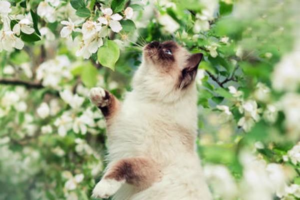
How Weather Affects Your Cat’s Mood and Health
Cats feel weather as keenly as people do, storms, cold, heat, and humidity all shift their mood and health. Watch for heatstroke and hypothermia in extremes, and keep the home between 20 and 25 C with sun, warmth, and steady routine.

A Complete Guide to Spaying or Neutering Your Cat
The best time to neuter is after sexual maturity, around 5 to 6 months, with a vet check and blood work first. Weigh the real benefits, fewer cancers and roaming, against risks like weight gain and anesthesia, and follow strict after-care to heal cleanly.

Should You Spay or Neuter Your Dog?
Neutering curbs roaming and mating-driven aggression, lowers the risk of reproductive cancers and infections, and steadies a dog's temperament — but it also carries surgical risks and can slow the metabolism. For most dogs the long-term health payoff outweighs the drawbacks, though your veterinarian should weigh in on the right timing.

How to Correct a Dog That Bites Its Owner
A dog that bites isn't at fault; lack of early training and missed body-language cues are. Since fixing aggression needs professional help, first avoid triggers: don't challenge resource guarding, avoid improper touching (head, paws, privates, waking a sleeper), and never corner or beat a frightened dog.

What Spay/Neuter Surgery Is — and Why Cats Should Be Neutered
Spay/neuter is a routine surgery that removes a cat's reproductive organs to prevent breeding and curb hormone-driven behavior. Males get a quick scrotal incision; females need a flank or abdominal incision to remove the uterus and ovaries. The benefits include fewer stray cats, lower reproductive-disease risk, and far less spraying, yowling, and fighting.

Signs That a Cat Is Stressed
Cats are naturally timid and easily stressed, and chronic stress can spiral into depression, so recognizing the signs matters. A stressed cat may crouch and pant, lash out, mark territory with urine, or over-groom to the point of bald patches—eased by patience, gentle handling, and food-based coaxing.

Best Dog Breeds for First-Time Owners
For inexperienced new owners, which dog to get is a hard question. Best is obedient, affectionate, and easy to care for.