Search Results
51 results for “folliculitis”
My cat seems to have folliculitis on the chin. How do I treat it, and should I take it to the vet or just wipe it with hydrogen peroxide?
From the photo the cat has black chin, also called folliculitis, a common condition caused by overactive sebaceous glands blocking the pores. The case is mild and can usually be managed at home by improving diet and cleaning the bowl and chin.
How Long for a Cat’s Folliculitis to Heal?
Healing depends on severity: mild cases with treatment heal in 7-14 days; systemic cases take 1-2 months. Be patient and follow vet guidance.

What Causes Dog Folliculitis?
Folliculitis can come from bacteria, parasites, fungi, allergies, hormone imbalance, a greasy diet, or a damp, polluted environment — alone or combined. Diagnosis needs the dog's history and exams. Prevent it with regular baths, brushing, allergy control, good immunity, and a light, balanced diet.

How to Treat Dog Folliculitis
Dog folliculitis starts with clogged follicles and secondary bacterial infection; treatment aims to kill bacteria, soothe inflammation, and keep the area clean and dry. Disinfect the spot and apply an antibiotic ointment (e.g., erythromycin), or use oral/injected antibiotics for severe cases, plus a medicated bath and an Elizabethan collar. See a vet if it doesn't improve.
Why Do Cats Get Folliculitis?
Feline folliculitis is a common skin condition that causes discomfort and distress for cats. It can be triggered by a mix of external factors, daily habits, and even genetics. Environmental issues such as bacteria, fungi, and parasites thrive in warm, humid conditions and raise the risk of infection. Over-grooming, scratching, and poor coat care can also damage the skin and lead to flare-ups, while long-haired breeds like Persians and Siamese are genetically more prone to it. The good news is that folliculitis is manageable. Treatment involves clipping the affected area, cleaning with saline, disinfecting with iodine, and applying an antibacterial ointment daily. Prevention relies on a balanced diet, regular grooming, a clean and dry living space, gentle bath products, and routine veterinary checkups. With the right care, owners can greatly reduce the likelihood of recurrence.
How to Prevent Folliculitis in Dogs
Folliculitis—red, flaky, itchy skin with hair loss—is common in long, short, and hairless dogs alike, but you can lower the risk. Keep the skin clean with dog-specific, lukewarm baths at the right frequency (over-bathing damages the barrier); check the coat and skin weekly for redness, sores, or bald patches; feed quality, balanced food and skip table scraps that trigger obesity and hormone issues; give outdoor exercise to boost circulation and immunity; avoid over-brushing or over-clipping that breaks the skin barrier; and control external parasites with regular deworming. For a dog already affected, keep its space dry and clean, use gentle products, and see a vet promptly for severe signs like pus or intense itching—treatment is usually antibiotics, anti-inflammatories, or topical antiseptics.
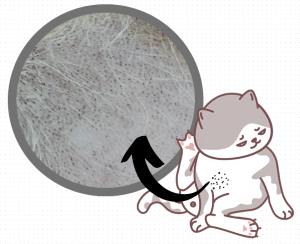
Black Dots on Your Cat’s Skin: Folliculitis, or ‘Black Chin’ and ‘Stud Tail’
Black dots on a cat's skin are usually the early sign of folliculitis, like blackheads, driven by excess sebum, blocked follicles, and bacterial infection. On the chin it is called black chin, and on the tail stud tail or oily tail, both managed with gentle localized cleaning and diet adjustments.
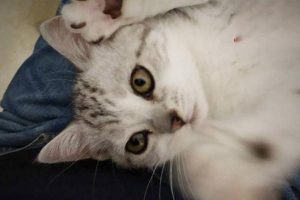
Folliculitis in Dogs and Cats
Folliculitis is inflammation of the hair follicles, often from bacteria, mites, or hormone imbalance. It causes hair loss, itching, and red, swollen skin, and can spread into deeper infection. Early diagnosis and antimicrobial care prevent it from becoming deep pyoderma.

How to Treat Folliculitis in Dogs
Folliculitis shows up as red, swollen skin with tiny black specks at the hair roots that come off easily when wiped. Mild cases respond to gentle cleaning and an antibiotic ointment; severe ones need a vet visit or medicated bath. Keeping the coat dry and clean is the best prevention.

Causes and Treatment of Cellulitis in Dogs
Staphylococcus and streptococcus are the main bacteria behind cellulitis, though some cases come from mixed putrefactive infections and usually need surgical debridement. Here are the causes and treatments of canine cellulitis.