Search Results
9 results for “fold cat humidity”

Things to Know When Caring for a Scottish Fold
Scottish Folds adapt well but need humidity around 50 to 60 percent, since too much moisture invites skin disease. Their stomachs are also delicate, so stick to one cat food brand. Here are the main points of Scottish Fold care.

Is Your Cat More Sensitive to Cold or Heat? What Every Owner Should Know
A cat's normal body temperature is 37.5–39.2°C, and its limited sweat glands make it far better at handling cold than heat. Heat stress can set in above 38°C (panting, lethargy, drooling, even collapse), while most cats feel cold below 10°C — kittens, seniors, and short-haired breeds need extra warmth. Keep the home between 16–21°C and warm the bed in winter.

Scottish Fold Cats and Their Genetic Health Problems
Scottish Fold cats were bred for their folded ears, but the same gene that folds the ear also causes painful bone and cartilage disease. Every Fold carries the defect, so care focuses on comfort, a gentle diet, and daily grooming they cannot do themselves.

Can Dog Pyoderma Spread to Humans?
Can dog pyoderma spread to humans? Pyoderma is a common dog skin disease caused by pus-forming bacteria, and in puppies it often appears on the inner legs where there is little fur. Many dog skin diseases are contagious to people — so can pyoderma be passed on? Here is the answer.

pug
The Pug, originally from China and also called the Hapa dog, is charming and elegant. Named 'Pug' in the late 18th century (an old word meaning ghost, lion nose, or little monkey), it is prone to inverted eyelashes, many facial folds, entropion, and blocked tear ducts leaving visible tear stains.

Huangshan Squirrel
The Huangshan squirrel, as its name suggests, is a squirrel species native to Mount Huangshan in Anhui Province, China. It prefers wooded habitats and is agile, alert, and light on its feet. It is mainly distributed across Anhui, Zhejiang, and Hubei, among other regions.
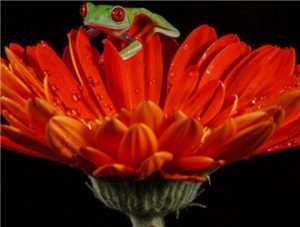
Red-eyed Tree Frog
The iconic big-eyed, green-and-orange hylid of Central American rainforests - fully nocturnal and a live-food specialist. An amphibian, not a reptile.
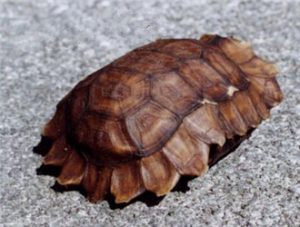
Forest Hinge-back Tortoise
The African hinge-back tortoise (Kinixys erosa), also called the forest hinge-back, is one of the most prized hinge-back tortoises from Africa. It can fold the rear of its carapace — a unique defense and breathing aid — and demands high humidity and experienced care.

Home’s Hinge-back Tortoise
The Home's Hinge-back Tortoise (Kinixys homeana) is a shy, high-difficulty African tortoise known for its hinged rear carapace and a 90-degree rear shell drop. It prefers warm, humid conditions with ample shade and a varied omnivorous diet, but is prone to stress-induced sudden death, so it is not recommended for beginners.